By Julia Koroleva March 23, 2026
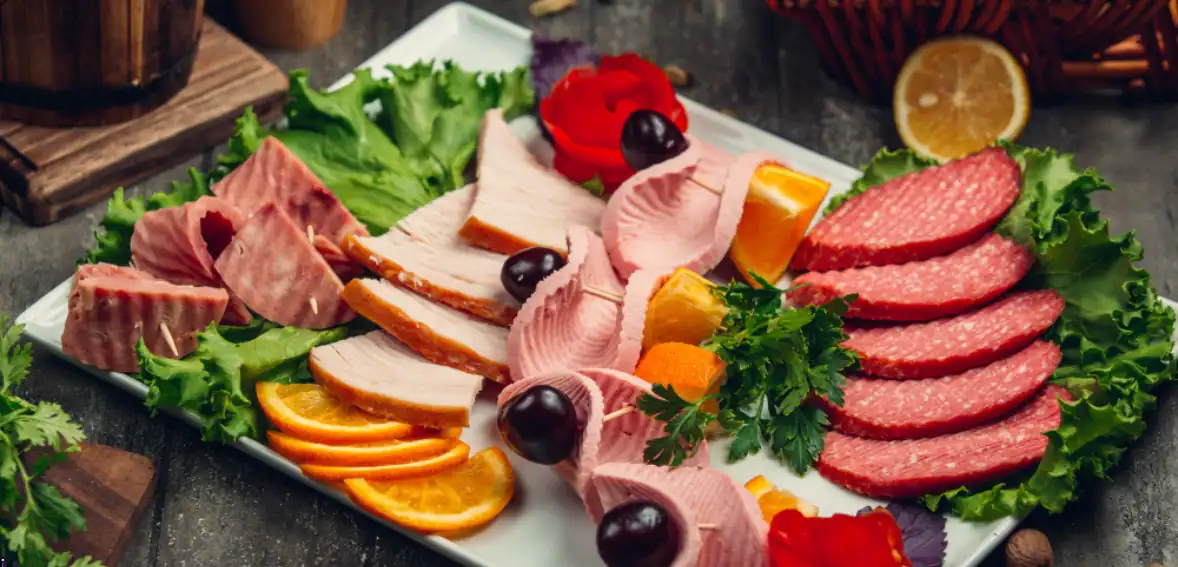
For delis, bakeries, and grab-and-go stores, understanding SNAP rules for hot and prepared foods is essential. SNAP benefits can be used for certain cold, ready-to-eat items, but hot foods are generally not allowed. Knowing the difference helps retailers stay compliant, avoid penalties, and serve customers correctly.
Benefits of Accepting SNAP EBT in Your Store
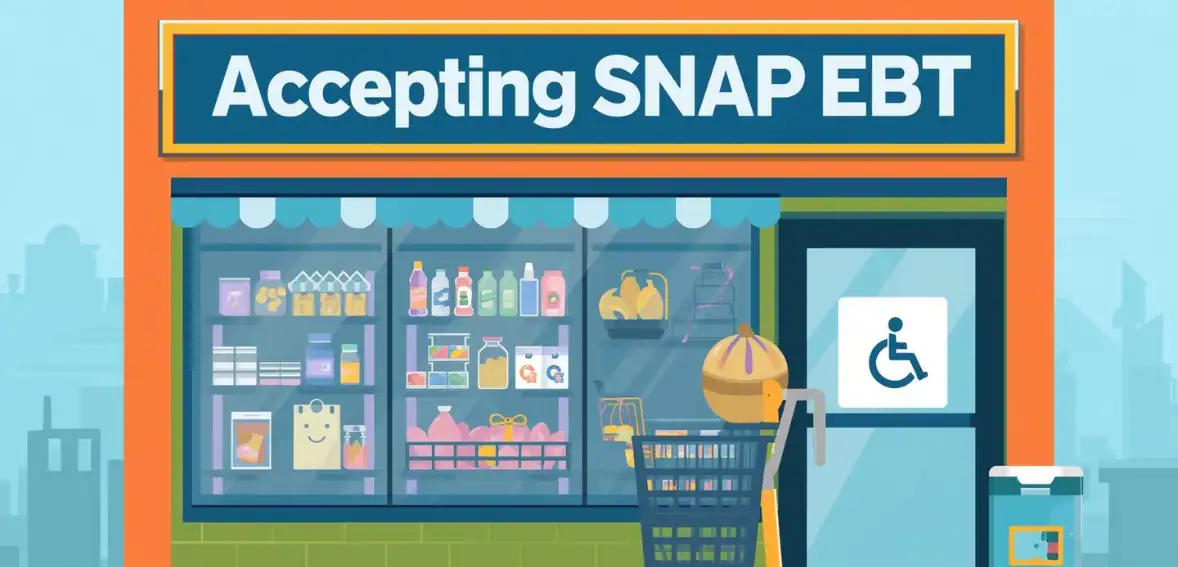
By accepting SNAP EBT in your store, you may reap various benefits for your business and your customers. First, you can reach more customers by catering to millions of people who use SNAP benefits to purchase food.
Second, you can gain more customer loyalty. SNAP users are more likely to return to stores that accept SNAP benefits, thus providing you with more repeat business.
Third, you can increase sales of other items. Although SNAP benefits are only usable for food items, users tend to purchase other items during their visit to your store.
Next, it will improve your store’s community image. Being a SNAP-authorized store means your business is helping support low-income families and providing them with access to the food items they need.
Lastly, joining the SNAP program will help your business stay competitive. There are probably many other stores in your area that participate in the EBT program. If your business is not a part of the program, your potential customers will go to other stores.
Allowed vs Non-Allowed Items Under Snap
What Items Are Allowed Under SNAP
To accept SNAP, you will need to carry certain everyday items that meet USDA requirements. These items are called staple foods, and you will need to carry a reasonable variety of staple foods in the following categories:
- Grains
- Dairy
- Protein
- Fruits and Vegetables
In the grains category, bread, rice, and pasta products will all be acceptable. Even individual cereal serving sizes will be acceptable, so this will allow small stores to qualify. In the dairy category, milk, cheese, and yogurt are all acceptable, as they are everyday items.
Protein sources will include canned items such as tuna and eggs, as well as shelf-stable meat products, as long as they are not hot or prepared. Fresh fruits and vegetables will also be an important part of the program. Even a few items, such as apples or bananas, placed near the counter, will be acceptable.
Interestingly, snack items such as chips, soft drinks, and ice cream are also eligible for purchase under SNAP. However, these items are not classified as staple foods for stocking requirements. Maintaining a balanced mix of staple foods helps in compliance while catering to the requirements of regular customers.
What Items Are Not Allowed Under SNAP
This is where most store owners get confused, so it is essential to understand it. Benefits under SNAP are not allowed for purchasing hot or ready-to-eat foods. This includes foods kept warm for immediate consumption. This includes hot chicken, pizza, and other items that are placed under the hot lamp for immediate consumption.
Some items are strictly forbidden for purchase under SNAP benefits. Alcohol and tobacco are strictly forbidden for purchase. Vitamins, supplements, and medicine are also strictly forbidden for purchase under SNAP benefits. These are not classified as food items, even though they are available in most stores.
There are also some items that are ambiguous and may be allowed or forbidden depending on their nature. Energy drinks are also ambiguous items. If they are labeled ‘Nutrition Facts,’ they are allowed to be purchased. However, if they are labeled as ‘Supplement Facts,’ they are forbidden for purchase.
Non-food items are strictly forbidden for purchase under SNAP benefits. These include cleaning supplies, pet food, and other automotive-related items.
| Category | Allowed Items | Not Allowed Items |
| Grains | Bread, rice, pasta, individual cereal servings | None |
| Dairy | Milk, cheese, yogurt | None |
| Protein | Canned tuna, eggs, shelf-stable meat products (not hot or prepared) | Hot or ready-to-eat meats |
| Fruits & Vegetables | Fresh fruits and vegetables (apples, bananas, etc.) | None |
| Snacks & Beverages | Chips, soft drinks, ice cream (eligible for purchase but not staple foods) | Hot/prepared snacks |
| Alcohol & Tobacco | Not allowed | Alcohol, tobacco |
| Vitamins & Medicine | Not allowed | Vitamins, supplements, medicine |
| Ambiguous Items | Energy drinks labeled with ‘Nutrition Facts.’ | Energy drinks labeled with ‘Supplement Facts.’ |
| Non-Food Items | Not allowed | Cleaning supplies, pet food, and automobile items |
SNAP Rules for Deli, Bakery, and Grab-and-Go Stores
For delis, bakeries, and grab and go SNAP rules establishments, the knowledge of how prepared foods SNAP-eligible handles is quite important since this is the most common area where mistakes are made. To put it simply, cold foods are allowed in the SNAP program, but they must be cold at the time of purchase and intended for later use and consumption.
The most important thing to keep in mind is that the food’s temperature at the time of sale determines whether it is allowed in the program. Any food item that is heated or kept warm and intended for immediate consumption is not allowed in the program. Therefore, foods like rotisserie chicken kept warm in heat lamps, pizza slices, heated bakery products, and breakfast sandwiches are not allowed in the program, even though they are cold and intended for later consumption.
Another key thing to keep in mind is the way the SNAP program defines the term “prepared foods.” It does not automatically mean the food is not eligible for the program if it is prepared or assembled in-store. Packaged cold foods are usually okay. However, if the food is hot and intended to be eaten on the premises, it is not okay. This is especially important for deli counters where the food may be prepared both ways. It is essential for the staff to be aware of this to avoid mistakes during the checkout process.
Another key thing to keep in mind is the difference between what can be purchased and what the store must carry to be authorized. Cold prepared foods can be sold under the SNAP program, but they cannot be counted as staple foods for the store. For the store to be authorized for the SNAP program, it must carry a certain variety of basic foods such as bread, dairy products, meat, and fruits and vegetables. This does not include hot foods and ready-to-eat foods.
In effect, the most advisable thing to do is to keep them labeled, stored in a cold environment, and separated from the hot food preparation area. Using a POS that can differentiate between eligible and ineligible items, along with staff training, can help avert potential problems. With these easy tips, deli merchants, bakers, and grab-and-go food merchants can be confident in accepting SNAP benefits without breaking a sweat.
Point-of-Sale Best Practices for SNAP Authorized Stores
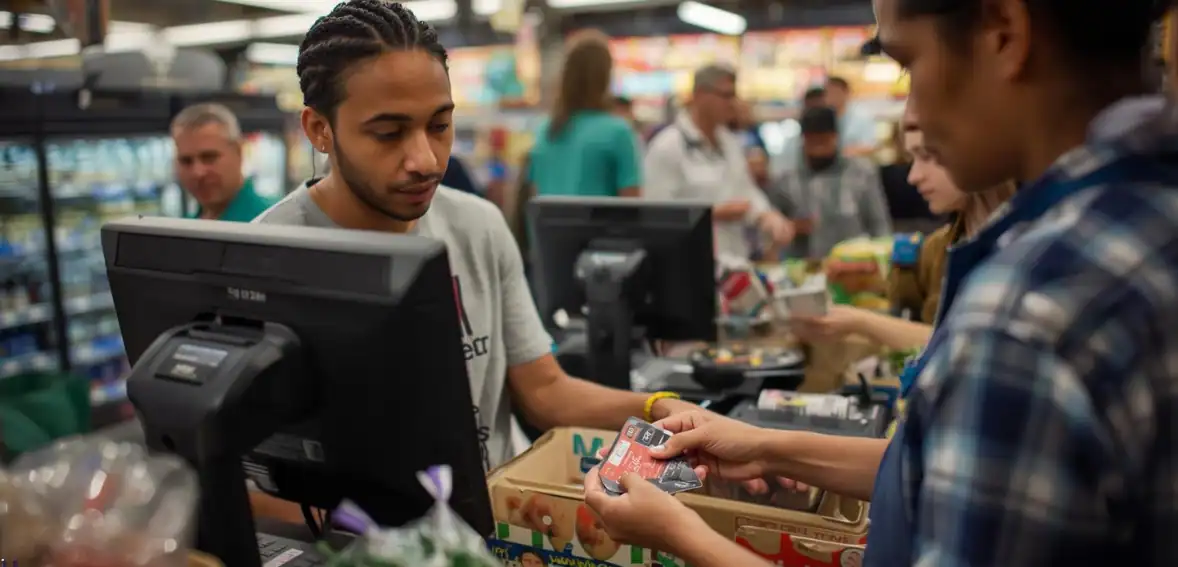
To comply with the SNAP program, it is essential to have a clear, simple checkout process every day. Most of the time, common mistakes are unintentional and result from a series of errors during the checkout process. This is where the importance of having effective point-of-sale practices for deli, bakery, and grab-and-go stores comes into play.
First and foremost, it is essential to have the right training for the staff. The staff must be aware of which items can be purchased and which cannot. The most important thing for the staff to remember is that hot foods cannot be purchased, but most cold foods can be purchased.
It must be remembered that even if a cold food item can be purchased, it cannot be heated before purchase. It is also important to have a point-of-sale system to make the process much easier. It must be remembered that a point-of-sale system can make a huge difference. It must ensure that the point-of-sale system can recognize which items can be purchased and which cannot.
Secondly, another significant factor is store layout. It is recommended that hot and cold foods be separated. For instance, a restaurant’s threshold SNAP cold foods should be stored in refrigerators, while hot foods should be stored in displays or under heat lamps in another section. This way, customers are aware of what they can purchase with SNAP and what they cannot.
Thirdly, another way to ensure SNAP is used correctly in stores is to use labels. For instance, stores should consider using labels such as
- ‘Hot Food – Not Eligible for SNAP’
- ‘Cold Items – SNAP Approved.’
This way, customers are aware of what they can purchase with SNAP before they even reach the cashier. This not only enhances their experience in the store but also helps avoid embarrassing situations at the cashier’s desk.
Another significant aspect to consider to ensure that SNAP is used correctly in stores is to ensure that every process is uniform and involves no exceptions. For instance, if a hot food item is allowed to be purchased with SNAP, this could result in warnings, fines, and even termination of authorization.
How On-Site Heated and Cooked Food Sales Affect SNAP Retailer Eligibility
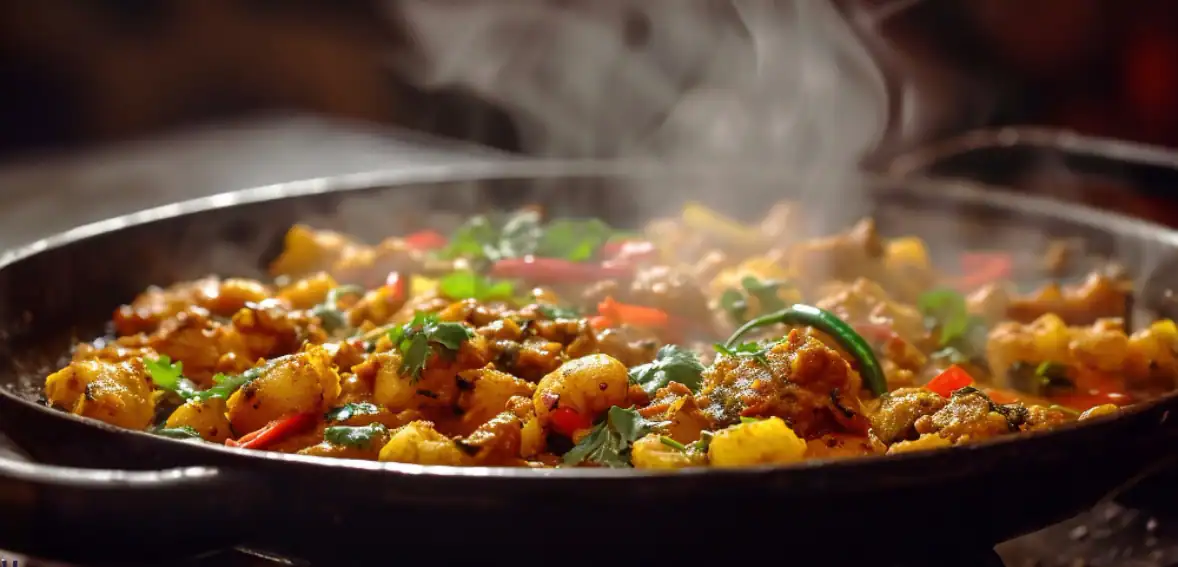
For retailers, it is extremely important to understand how selling heated or cooked foods within the premises impacts SNAP eligibility. The USDA has set specific guidelines regarding what can be considered eligible for SNAP. If you run a store that primarily sells hot or ready-to-eat foods, this can affect whether or not you can even accept SNAP in the first place.
It’s not just what customers can buy with SNAP that determines whether or not they are eligible; it’s also what’s in your store and what you’re selling. There are specific guidelines requiring stores to carry a certain level of staple foods, such as bread, dairy, meat, and produce. If you run a store that primarily sells hot meals, sandwiches, or prepared foods, this could be an issue for you because, in SNAP, these items are not considered staple foods.
For instance, if you run a bakery or deli and mostly sell hot sandwiches, hot pizza, or rotisserie chicken, you may have a strong customer following, but this does not make your store eligible. However, if a SNAP hot foods rule review determines that you mostly sell ineligible hot foods, you risk denial or revocation of USDA’s SNAP benefits.
The bottom line is to stay eligible, you need to strike a balance. You can sell hot prepared foods, and you should. However, you also need to ensure you have cold, staple items in stock. This will ensure you meet the USDA’s stocking requirements while giving you a competitive edge.
Proper planning, store layout, and monitoring of the products you sell will go a long way in ensuring you stay eligible.
Conclusion
Understanding the regulations regarding hot and prepared food is critical for delis, bakeries, and other grab-and-go food stores. Cold foods are allowed, whereas hot foods are not.
By keeping a clear separation between hot and cold foods, training staff, and ensuring staple food availability, retailers can maintain their authorization to participate in SNAP and provide a convenient service to their customers.
FAQs
Can SNAP buy deli sandwiches?
Yes, but if the sandwich is hot or heated at the point of sale, it will be ineligible. Cold deli sandwiches are eligible for purchase with SNAP.
Are cold prepared foods eligible under SNAP?
Yes, prepared foods like salads, wraps, and fruit cups will be eligible for the program as long as they are not heated.
What does “hot at point of sale SNAP” mean?
It refers to foods sold warm and ready to eat immediately. These foods will be ineligible for the SNAP program.
Can too many prepared-food sales affect retailer eligibility?
Yes, if a SNAP retailer is found to be selling mostly hot prepared foods, it will be deemed ineligible for the program.
Are cold prepared foods SNAP eligible?
Cold prepared foods can be SNAP eligible; however, hot or ready-to-eat prepared foods cannot be sold at the point of sale.
How can a deli ensure SNAP compliance?
To ensure deli SNAP compliance, it is important to separate hot and cold foods and to stock staple foods.
Is bakery SNAP eligibility affected by hot items?
SNAP eligibility for bakery products includes cold-packaged foods; however, hot-packaged foods cannot be purchased.