By Julia Koroleva April 8, 2026
EBT balance inquiry at the cash register is very important to ensure transactions flow smoothly and are accurate. If done properly, they enable customers to control their benefits without compromising their privacy. Everything counts, from clearly signaled POS to secure receipt practices. Doing things correctly ensures your store is compliant with the regulations, safeguards sensitive data, and provides a superior checkout experience for both customers and employees.
Benefits of Accepting EBT SNAP Payments

When stores accept and process SNAP EBT payments, they drastically broaden their customer base. Many families that rely on the SNAP program for grocery essentials have very limited budgets for fruits, vegetables, milk, and bread, among other essentials. A store that is authorized to accept such EBT payments becomes a go-to shopping destination for those families. These local grocery stores become the community’s main source of food and also attract more frequent customer visits.
Besides that, it also paves the way for steady, predictable sales. Since SNAP benefits are loaded onto the EBT card only once a month, users of these benefits are pretty much on a fixed grocery budget. For store owners, this steady demand is a blessing, as it facilitates their stock management, ordering plans, and the smooth running of daily operations. With the right payment system, stores can easily process EBT payments alongside other payment methods.
Accepting EBT over time can also foster trust with the community. People are likely to return to the store if they see that it is catering to their needs. Besides, it tells the community that the business is interested in making food accessible and affordable for everyone. With the establishment of this kind of trust, first-time visitors who are inclined to try the place might become regulars, strengthening customer relationships and loyalty.
By attracting more people, the store can increase sales, as many SNAP customers may also purchase other items. This can lead to increased sales.
When EBT Balance Inquiry Typically Happens In-Store
Many customers like to know their EBT balance either before they start shopping or at the earliest stage of checkout. Knowing how much money one has left to spend helps an individual plan their shopping better and avoid being stuck in the middle of a purchase. It gives shoppers greater confidence when selecting goods, making the entire shopping experience seamless.
One can even check the balance at checkout and pay later. This is especially useful when the total price is quite close to the available balance. It gives the two parties, the cashier and the customer, a chance to easily modify the purchase if necessary, rather than the customer going through the whole checkout only to find out that the payment would fail. When the balance is insufficient to cover all eligible items, the system may automatically perform a balance check during a split payment. EBT funds are used first, and the remaining amount can be paid using other methods. This makes the entire transaction more flexible and, at the same time, avoids unnecessary delays.
After the transaction is complete, POS systems generally display or print the updated balance on the receipt. This way, customers can see how much they have left without needing to ask for a separate balance check. However, when a transaction is rejected due to insufficient funds, the system usually displays the available balance immediately. This will enable the cashier to communicate the issue more effectively, allowing the customer to make a decision on the spot and ensuring a straightforward, hassle-free checkout experience.
EBT Receipt Compliance Rules for Retailers
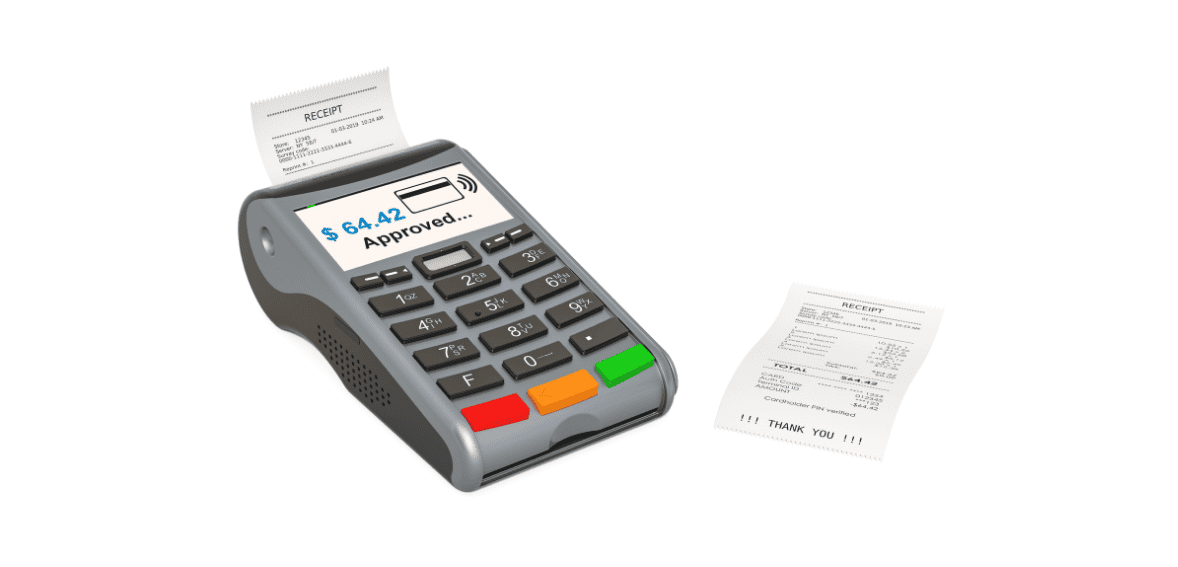
Every store that accepts SNAP EBT payments must comply with SNAP receipt balance requirements. The purpose of these rules is to ensure that transactions are conducted transparently and that customers’ data remains secure. Firstly, giving a receipt is definitely not optional. For every SNAP EBT transaction, the store must provide the customer with a printed receipt at the point of sale. This rule is applicable to all kinds of transactions
- Purchase
- Refund
- Balance check
It enables customers to be mindful of their expenditures and the benefits available to them. Besides that, an EBT balance receipt must contain several essential yet fundamental pieces of information, including:
- The store’s name and location should be prominently displayed so the transaction can be traced later if necessary.
- The receipt must indicate the type of transaction (e.g., purchase or balance inquiry) and the exact amount spent.
- The transaction date is another record-keeping requirement that cannot be omitted.
There are things that must never be allowed:
- Firstly, the store must not collect, retain, or store the full EBT card number in any form.
- Secondly, the customer’s name is not to be printed on the receipt.
- Thirdly, only partial exposure of the EBT card number on the receipt is allowed in order to avoid jeopardizing the security of the customer
Both these limitations have been implemented to prevent the misuse of crucial information and to ensure the customer’s privacy.
POS Prompts and Best Practices for Customer Privacy

Clear and Simple POS Prompts
A thoughtfully designed point-of-sale system will guide the cashier and customer through the entire transaction without getting lost or confused. Requests for EBT balance should be prompted only when the customer asks for it or when the system identifies a low balance. The written guidance displayed on the screen should be concise and simple, e.g., ‘Please swipe or insert your card and then enter your PIN confidentially.’ In contrast, sensitive details such as the balance should not be easily visible or exposed to others who might be standing close by.
Smart Handling of Balance Inquiries
Balance inquiries should be strategically utilized to enhance the customer checkout experience. Rather than executing them randomly, the system should prompt them at the most appropriate times, e.g., before completing a purchase or when a payment is split. This will not only prevent declined transactions but also give customers greater freedom to manage their expenditures. Ultimately, the process should be frictionless so no one notices the customer’s balance.
Supporting Smooth Split Transactions
If there isn’t enough EBT balance available, a POS should not just decline the transaction but should also give the cashier a way to process a split payment. Clear instructions should first address the use of SNAP funds, and the remaining funds can then be paid by another method. This way, not only will there be fewer checkout delays, but also customers’ embarrassment will be avoided.
Receipt Formatting and Compliance
Receipts should include all necessary elements, such as the store name, address, transaction type, amount, date, and remaining balance. On the other hand, the system must be properly configured to prevent the printing of prohibited materials. Only the masked card number should be visible, and personal information such as the customer’s name should never be disclosed. A well-structured receipt is informative and protects the customer’s information.
Avoiding Storage of Card Information
To comply with EBT requirements, it is vital that POS systems do not store full or partial card numbers for any purpose other than completing the transaction. When card data needs to be processed but not stored, secure technologies such as encryption are a perfect solution. Additionally, stores should refrain from making records by hand, such as writing down card numbers or keeping logs. Restricting exposure of transaction data and employing highly secure systems are among the most effective ways to prevent misuse and ensure the store’s compliance.
Regular System Checks and Updates
Regular review of POS settings is a must to ensure smooth operation. At times, default configurations may inadvertently allow the saving or printing of additional data without the user’s knowledge. Conducting test sales and visually inspecting receipts are two effective ways to spot problems early. Also, an updated system adds a layer of protection against the latest threats and aligns your setup with current regulations.
Staff Training and Awareness
Even the most efficient system will fail to deliver the expected results if staff are not adequately trained. Personnel must be aware of the POS system procedures, the appropriate time to conduct balance inquiries, and proper receipt handling. Apart from this, they must be made aware that some data is confidential and that utmost care must be exercised to safeguard it in every transaction. Employee training is an essential component for ensuring a seamless, safe, and courteous checkout experience for all customers.
Conclusion
Ultimately, conducting EBT balance inquiries efficiently means making the entire operation easier, more secure, and more respectful of the customer’s shopping experience. Simple SNAP balance check, POS prompts, well-formatted receipts, and secure data handling together contribute significantly to safeguarding customer details without hampering smooth transactions. In addition to compliance, stores that implement these best practices will also enhance customer trust and offer a more pleasant shopping experience for all.
FAQs
Is a balance inquiry required for every SNAP transaction?
No, balance inquiries are not mandatory for every transaction. Generally, balance inquiries are performed only at the customer’s request or when necessary to prevent a declined payment; an EBT receipt is required for all transactions.
What should the receipt show after a balance inquiry?
Typically, the receipt should include essential details such as the store information, transaction type (balance inquiry), date, and the remaining SNAP balance.
Can we keep a log of EBT card numbers?
Not at all, it is against the rules for stores to keep or track EBT card numbers in any form. This measure is in place to protect the customer’s privacy and to prevent any misuse of sensitive data.
How do we handle balance inquiries at self-checkout?
The customer should be directed by simple instructions on the self-checkout screen. The customer provides their card, enters their PIN, and the balance is displayed on the screen, or they can opt for a receipt.
Why is SNAP cashier training balance handling important?
Effectively training SNAP cashiers on balance handling ensures that they can process transactions efficiently and with minimal errors. The training covers checking balances, providing customer support in a courteous manner, and handling low-balance scenarios without confusing or slowing down the checkout process.
What is EBT card masking, and why does it matter?
EBT card masking refers to displaying only the last few digits of the card number on receipts, screens, and other displays. This serves as a security measure, keeping the cardholder’s personal information safe and reducing the risk of fraud or illegal use.
What is a balance inquiry terminal, and how is it used?
A balance inquiry terminal is a point-of-sale (POS) feature or a separate device where customers can check their current EBT benefits balance. They just have to insert or swipe the card, type the PIN, and then either check their balance on the screen or get it printed on the receipt.