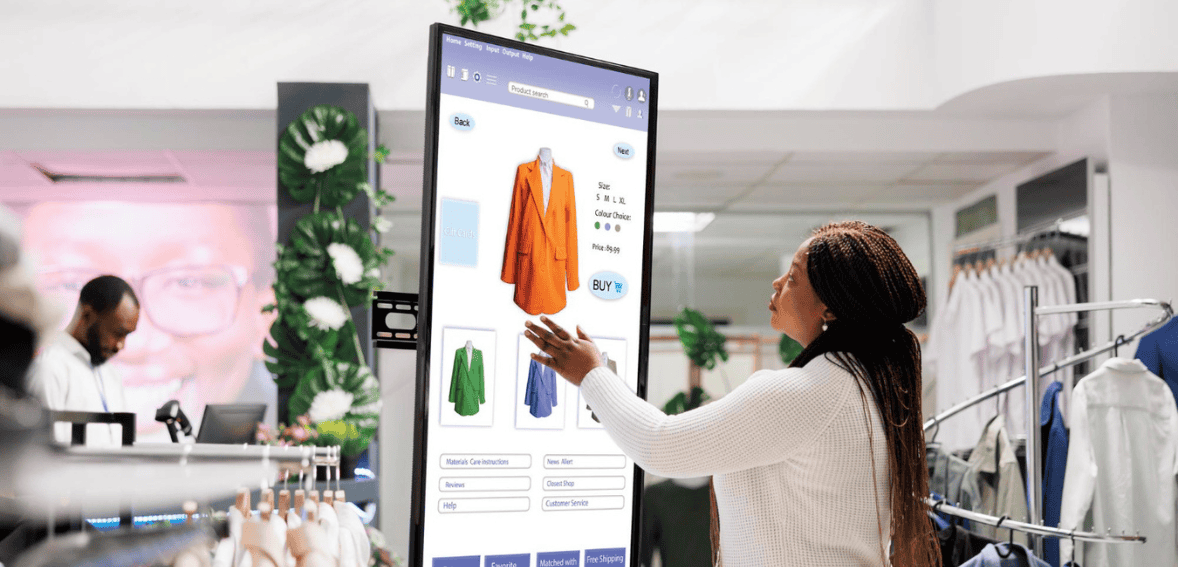
Physical retail has changed dramatically over the past decade. While online shopping continues to grow, brick-and-mortar stores remain an important part of the customer journey. However, shoppers today expect more than shelves filled with products. They want convenience, speed, personalised service, flexible payment options, and a shopping experience that feels connected to the digital world. As a result, retailers are investing in technology that improves both customer satisfaction and operational efficiency.
Modern stores are no longer simply places where products are displayed and sold. They have become interactive environments supported by intelligent software, connected devices, digital payment systems, inventory automation, and real-time customer insights. These tools help retailers understand shopper behaviour, reduce waiting times, improve stock management, and create more engaging experiences that encourage repeat visits.
The rapid growth of retail technology trends is transforming the way businesses operate and the way customers shop. From smarter checkout systems to data-driven inventory management, technology is helping retailers deliver faster service while making in-store shopping more convenient and enjoyable.
Why Technology Is Becoming Essential in Retail
Consumer expectations have changed significantly. People have become accustomed to the convenience of online shopping, where products can be searched instantly, recommendations are personalised, and payments take only a few seconds. When customers visit physical stores, they increasingly expect the same level of efficiency.
Retailers must therefore balance traditional customer service with modern convenience. Long checkout queues, inaccurate stock information, slow payment processing, and limited product availability can quickly lead to frustration. Technology helps address these challenges by improving communication between different parts of the business.
The latest retail technology trends are not replacing human service. Instead, they are supporting employees by reducing repetitive tasks and providing better access to information. This allows staff to spend more time helping customers and less time dealing with manual processes.
Smart Point-of-Sale Systems Are Transforming Checkout
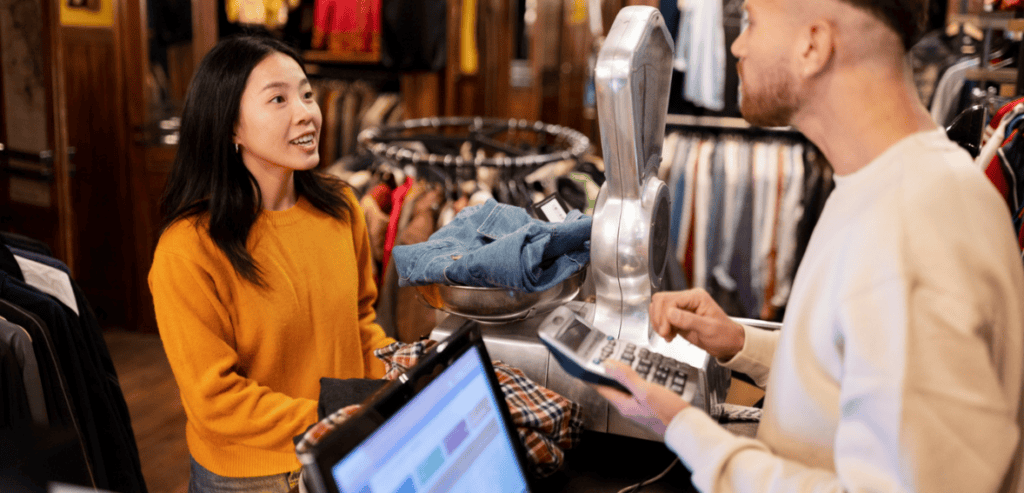
One of the most visible changes in retail has been the evolution of the point-of-sale system. Traditional cash registers have developed into intelligent business platforms capable of much more than processing transactions.
Today’s advanced POS systems integrate inventory management, customer profiles, sales reporting, loyalty programmes, employee management, and payment processing within a single platform. This gives retailers access to real-time business information while making checkout faster and more accurate.
Modern POS systems also support mobile devices, allowing staff to complete purchases anywhere within the store instead of requiring customers to wait at fixed checkout counters. This flexibility improves customer experience while reducing congestion during busy periods.
For retailers, these systems provide valuable insights into product performance, peak shopping hours, purchasing patterns, and inventory movement, making business decisions more informed.
Contactless Payments Continue to Grow
Payment preferences have changed rapidly over recent years. Customers increasingly expect to pay using contactless cards, mobile wallets, wearable devices, QR codes, or digital payment applications.
The future of retail payments is built around convenience, security, and speed. Contactless transactions reduce checkout times while offering customers greater flexibility in how they choose to pay. Businesses that support multiple payment options can serve a broader customer base while improving overall satisfaction.
Modern payment systems also reduce cash handling, simplify reconciliation, and provide stronger transaction records. For retailers, this leads to more efficient operations and improved financial reporting.
As payment technologies continue evolving, retailers that embrace flexible payment solutions will be better positioned to meet changing customer expectations.
Inventory Management Has Become Smarter
Managing inventory accurately has always been one of retail’s biggest challenges. Overstocking ties up valuable capital, while stock shortages lead to missed sales and disappointed customers.
Today’s smart retail solutions allow businesses to monitor inventory in real time across multiple stores, warehouses, and online platforms. Barcode scanning, RFID technology, cloud-based inventory systems, and automated stock alerts help retailers maintain more accurate inventory levels.
When inventory data updates instantly after every sale, staff can confidently answer customer questions regarding product availability. Customers also benefit because online stock information becomes more reliable, reducing frustration caused by unavailable products.
Improved inventory visibility helps retailers make better purchasing decisions while reducing waste and improving cash flow.
Omnichannel Shopping Is Becoming Standard
Modern shoppers often move between online and physical stores before making a purchase. They may research products online, visit a store to see them in person, complete the purchase through a mobile app, or arrange in-store collection.
Retailers therefore need technology that connects every sales channel into one consistent experience. Product information, pricing, promotions, loyalty rewards, and customer accounts should remain consistent regardless of where the interaction occurs.
Many retail innovation strategies now focus on creating seamless experiences across websites, mobile applications, physical stores, and social commerce platforms. This integration allows customers to shop in the way that suits them best while maintaining continuity throughout their purchasing journey.
Businesses that successfully combine online and offline experiences often build stronger customer loyalty because they remove unnecessary friction.
Personalised Shopping Experiences
Customers appreciate retailers that understand their preferences without becoming intrusive. Modern technology makes it possible to provide relevant recommendations based on previous purchases, browsing history, loyalty memberships, and shopping behaviour.
Personalisation may include targeted offers, product suggestions, birthday rewards, or reminders about frequently purchased items. When implemented thoughtfully, these experiences feel helpful rather than promotional.
Many smart retail solutions use customer relationship management systems alongside purchase history to create personalised interactions that encourage repeat business. Staff equipped with customer information can also provide more informed assistance during in-store visits.
The goal is not simply to increase sales but to create shopping experiences that feel more relevant and convenient.
Artificial Intelligence Supports Better Decision-Making
Artificial intelligence is becoming increasingly important within retail operations. Rather than replacing employees, AI assists businesses by analysing large volumes of information much faster than manual methods.
Retailers use AI to forecast demand, optimise pricing, recommend products, predict inventory requirements, detect unusual purchasing patterns, and improve customer service. These capabilities help businesses make more accurate decisions while responding more quickly to changing market conditions.
AI also contributes to many emerging retail technology trends by supporting automation, improving operational efficiency, and helping retailers better understand customer behaviour.
As AI tools become more accessible, businesses of different sizes can begin benefiting from advanced analytics that were previously available only to large retail chains.
Mobile Technology Enhances the Shopping Journey
Smartphones have become an essential part of the shopping experience. Customers use them to compare prices, read reviews, locate products, access loyalty rewards, receive digital receipts, and complete mobile payments.
Retailers increasingly develop mobile applications that connect customers directly with store services. Features may include digital membership cards, personalised offers, store navigation, click-and-collect services, or appointment booking.
Mobile technology also supports employees. Staff can check inventory, process transactions, access product information, and assist customers without returning to fixed terminals.
This flexibility improves efficiency while supporting the broader retail innovation movement towards more connected shopping environments.
Self-Checkout Continues to Expand
Many customers appreciate the convenience of completing purchases independently, particularly when buying only a few items. Self-checkout technology continues expanding across supermarkets, convenience stores, pharmacies, and large retailers.
Modern self-checkout systems have become easier to use, more accurate, and better integrated with loyalty programmes and digital payment methods. They reduce waiting times while allowing employees to focus on customer assistance rather than routine transaction processing.
Although some shoppers still prefer traditional cashier service, offering both options provides greater flexibility. Retailers can accommodate different preferences while improving operational efficiency during peak trading periods.
Self-service technology is expected to remain an important part of the future of retail payments as customer expectations continue evolving.
Data Helps Retailers Understand Customer Behaviour
Retailers collect information from sales transactions, loyalty programmes, website visits, inventory systems, customer feedback, and store traffic. When analysed responsibly, this information provides valuable insights into purchasing behaviour and business performance.
Understanding which products sell together, when demand increases, or how customers move through stores allows retailers to improve layouts, promotions, and inventory planning.
Data-driven decision-making has become one of the defining retail technology trends because it helps businesses respond to actual customer behaviour rather than assumptions. Better information supports more effective planning while reducing unnecessary costs.
Responsible data management remains essential, with retailers needing to respect privacy regulations and customer trust.
Digital Signage Creates More Dynamic Stores
Traditional printed signs are increasingly being replaced by digital displays that can update instantly. Digital signage allows retailers to promote special offers, display product information, share videos, or highlight seasonal campaigns without repeatedly printing new materials.
Because content can be changed remotely, retailers respond more quickly to inventory changes, pricing updates, or promotional opportunities. Digital displays also create more visually engaging shopping environments.
Some retailers combine digital signage with interactive technology that allows customers to browse additional product information or compare options directly within the store.
These developments represent another example of smart retail solutions improving communication while reducing operational complexity.
Sustainability Is Driving Retail Technology
Consumers increasingly consider environmental responsibility when choosing where to shop. Retail technology helps businesses reduce waste, improve energy efficiency, and support more sustainable operations.
Digital receipts reduce paper consumption, intelligent inventory systems minimise overstocking, and energy management software lowers electricity usage. Some retailers also use technology to monitor refrigeration, lighting, and heating systems more efficiently.
Sustainability has become closely connected with retail innovation because modern technology enables businesses to improve environmental performance while reducing operating costs.
Customers often appreciate retailers that combine convenience with responsible business practices.
Employee Technology Improves Customer Service
Retail technology is not designed only for customers. Employees also benefit from improved tools that simplify daily responsibilities.
Mobile devices provide instant access to product information, inventory availability, customer orders, pricing, and company policies. Staff spend less time searching for information and more time assisting shoppers.
Training platforms, scheduling systems, and communication applications also improve workforce management. Better-equipped employees often deliver higher-quality customer experiences because they can solve problems more quickly.
Investment in employee technology strengthens both operational efficiency and customer satisfaction.
Cloud Technology Supports Retail Growth
Cloud-based software has transformed the way retailers manage their operations. Instead of relying on local servers or isolated systems, businesses can access real-time information from multiple locations through secure online platforms.
Cloud technology allows managers to monitor sales, inventory, staffing, and financial performance from almost anywhere. Updates occur automatically, reducing manual work and ensuring everyone works with the latest information.
Many advanced POS systems now operate entirely through cloud platforms, making them easier to maintain while supporting businesses with multiple stores or mobile operations.
Cloud infrastructure also improves scalability, allowing retailers to expand without completely replacing their technology.
Security Remains a Top Priority
As retail technology becomes more advanced, protecting customer information becomes increasingly important. Payment data, loyalty accounts, personal information, and transaction records must all remain secure.
Modern payment systems include encryption, tokenisation, secure authentication, and fraud detection features that reduce security risks. Retailers must also keep software updated and train employees on cybersecurity best practices.
Security plays a major role in shaping the future of retail payments because customer trust depends heavily on safe transaction processing. Businesses that demonstrate strong security practices strengthen both their reputation and long-term customer relationships.
Automation Reduces Routine Tasks
Automation allows retailers to complete repetitive administrative tasks more efficiently. Inventory updates, purchase orders, sales reports, promotional scheduling, customer communications, and payment reconciliation can all be partially automated.
This reduces manual workload while improving accuracy. Employees gain more time to focus on customer interaction, merchandising, and problem-solving instead of repetitive paperwork.
Automation does not remove the need for human judgement. Instead, it supports staff by handling predictable processes more consistently.
Many successful smart retail solutions combine automation with employee oversight to create efficient yet personalised shopping experiences.
The Future Store Will Blend Physical and Digital Experiences
Retail stores of the future are unlikely to resemble either traditional shops or purely online businesses. Instead, they will combine the strengths of both.
Customers may use mobile applications to locate products, receive personalised recommendations, complete payments, arrange home delivery, or collect online purchases while still enjoying the experience of seeing products in person.
Emerging retail technology trends continue moving towards connected shopping journeys where physical and digital experiences complement one another rather than competing.
The most successful retailers will focus on convenience, flexibility, and meaningful customer interactions supported by intelligent technology.
Choosing Technology That Matches Business Needs
Not every retailer requires every available technology. Businesses should evaluate their size, customer expectations, budget, industry, and operational priorities before investing.
A small boutique may benefit most from cloud-based inventory management and mobile payment processing, while a large supermarket may require advanced self-checkout, AI demand forecasting, and sophisticated warehouse integration.
Technology should solve genuine business problems rather than simply follow industry trends. Careful planning ensures investments generate measurable improvements in customer experience and operational efficiency.
A thorough evaluation of available advanced POS systems and other retail technologies helps businesses choose solutions that support both present needs and future growth.
Conclusion
Technology continues reshaping the retail industry by making shopping faster, more convenient, and more connected. Customers now expect seamless experiences that combine efficient service, flexible payment options, accurate inventory information, and personalised support throughout their shopping journey.
The continued growth of retail technology trends is driving improvements across every part of retail operations, from inventory management to customer engagement. Smart retail solutions allow businesses to streamline processes while responding more effectively to changing customer expectations. At the same time, ongoing retail innovation ensures that physical stores remain relevant by offering experiences that cannot easily be replicated online.
As the future of retail payments evolves alongside increasingly advanced POS systems, retailers that invest thoughtfully in technology will be better prepared to deliver exceptional customer experiences while building stronger, more efficient businesses. Technology alone does not guarantee success, but when combined with excellent service and careful planning, it creates a powerful foundation for the future of in-store shopping.