
By Julia Koroleva March 13, 2026
Big changes are on the way for the SNAP payment system, and it’s a must that retailers get ready for it. The new EBT cards that come with a chip and tap technology are going to gradually replace the old magnetic stripe cards that have been in use for years. These upgraded cards aim at making payments more secure and combating the fraud issue that has been hurting many SNAP users.
For those stores that accept EBT payments, this alteration means that they have to find out if their POS systems and payment terminals are capable of handling the new technology. Having a clear understanding of EBT chip card retailer readiness is going to help retailers avoid transaction problems and still be able to serve their customers without any disruption.
A Major Upgrade to the SNAP EBT System
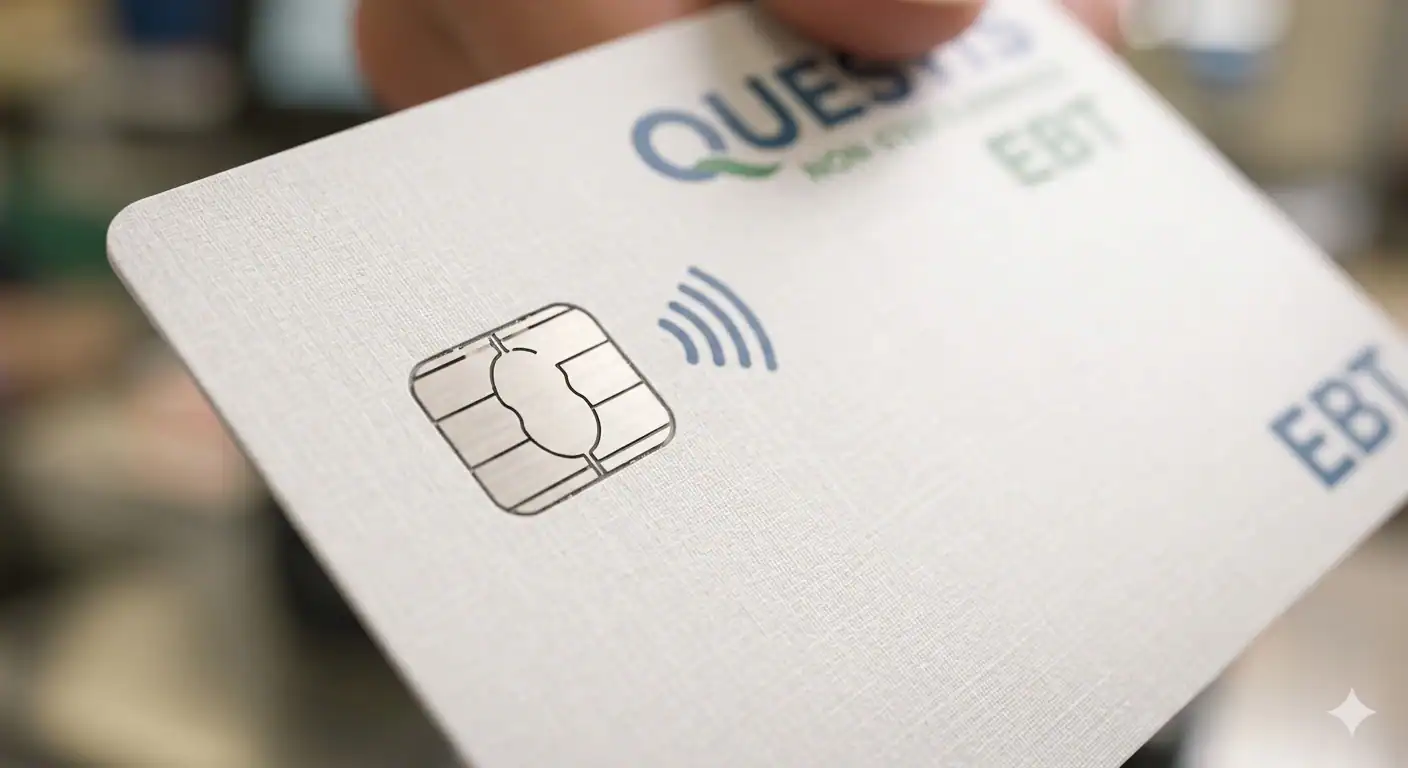
A major change is coming to the way SNAP benefits are used at stores. The current Electronic Benefit Transfer (EBT) cards that rely on magnetic stripe technology will gradually be replaced with new cards that include chip and tap features. This upgrade is designed to make SNAP payments more secure and reduce the growing problem of benefit theft that many cardholders have experienced in recent years.
The new cards will be similar to regular debit or credit cards nowadays. Apart from EMV chip technology, they will allow contactless tap payments, which enhance transaction protection by adding stronger security checks. These measures make it a lot more difficult for offenders to replicate card data or commit card-skimming fraud to steal benefits.
Due to this modification, sellers who accept SNAP payments must analyze their payment systems. POS machines and payment terminals have to be capable of reading chip cards, and the facilitation of tap transactions must be possible.
Shops running on older magnetic stripe terminals will have to upgrade their devices to ensure SNAP customers are able to make payments without problems. This changeover is a major move toward enhancing the safety and dependability of the SNAP payment system for cardholders as well as merchants.
Why a Change Is Being Introduced
Fraud on EBT cards has gone up a lot lately. Many SNAP users had their benefits taken by skimming devices. These small gadgets hide on payment machines and pick up info when the card is swiped. Old EBT cards use only magnetic stripes. This makes them easy to hack.
States are now switching to safer cards technology. The new ones have EMV chips and tap to pay, like most debit and credit cards. Each purchase creates a new code, so copying the card is much harder. This will help to stop fraud and protect user data. The main aim is to keep SNAP users safe and make payments more secure.
What It Means for SNAP Retailers
Retailers who take SNAP EBT payments will have to ensure their payment systems are prepared for the new cards. Once the new EBT cards with upgraded features are introduced, stores that have older systems might struggle in processing transactions if their equipment cannot read chip cards or accommodate tap payments.
For merchants, the present time is the right moment to review their existing point of sale (POS) system. Store owners should verify if their payment terminals are capable of processing chip and contactless transactions. In case the terminals are not up-to-date, they might have to upgrade their SNAP EBT chip and tap POS update for the terminals or discuss with their payment processor or technology provider about the necessary changes.
In fact, taking these measures beforehand can save retailers from issues in the future. By updating their systems now, stores will be able to offer SNAP customers an uninterrupted payment experience when the new cards start to get into demand.
How to Prepare POS for EBT Chip Cards
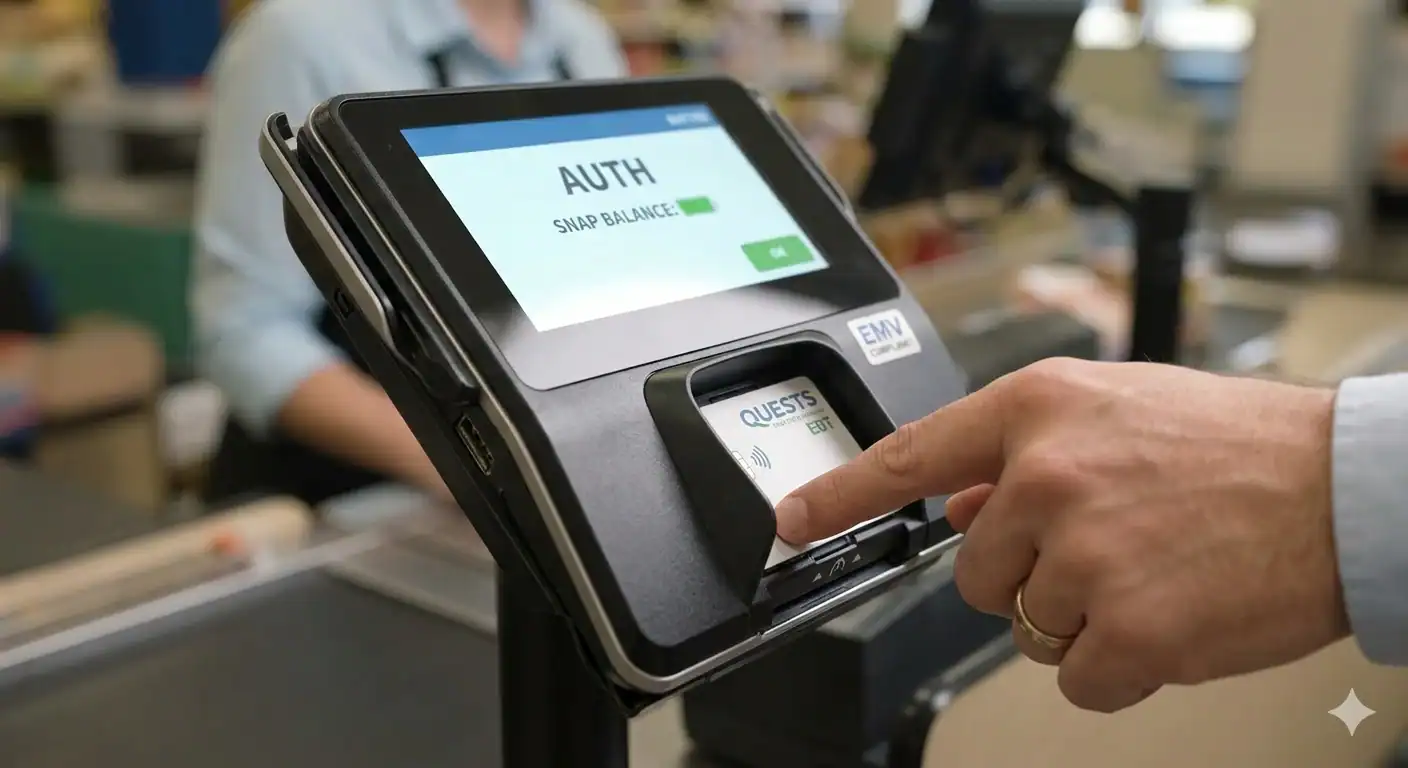
To ensure smooth processing of SNAP transactions during and after the transition, retailers should focus on several EBT chip card retailer readiness steps:
Enable the 220 Service Code
Enabling the 220 service code on POS terminals is something that retail stores should do. This service code will permit terminals to accept magnetic stripe card transactions even when the system is being upgraded to support chip cards.
Since the updated cards will have a magnetic stripe as EBT chip cards fallback to swipe method of transaction, it would be wise to enable this feature. Doing so would allow transactions to remain uninterrupted even in the case of a delay in the implementation of chip support.
Upgrade POS Terminals for EMV and Tap
Point of sale (POS) terminals will have to be capable of performing EMV chip as well as contactless tap card transactions, as per official regulations. Those merchants who are working with older models of POS terminals might have to invest in new hardware devices or update their existing software(s) in order to facilitate these functionalities.
Not only will merchants who do not upgrade their terminals be unable to carry out Electronic Benefits Transfer (EBT) transactions, but they will also face interruptions in payment processing, as a consequence.
Accept the New EBT Application Identifier (AID)
New EBT cards will have a dedicated Application Identifier (AID) A0000000044542. Merchants are encouraged to ensure that their POS terminals are capable of recognizing and processing this AID.
While the Bank Identification Number (BIN) will not change, the AID is what enables the card reader to distinguish the new chip-enabled EBT program.
Route Transactions for Online Authorization
Merchants must verify that SNAP transactions are directed using online approval methods instead of standing in line for processing. When an online transaction is routed, it not only helps in minimizing the fraud risk but also keeps the merchant out of any additional liability.
Before the upgrade, it is wise to consult your POS provider or payment processor to make sure this setting is correctly configured.
Immediate Steps Retailers Should Take
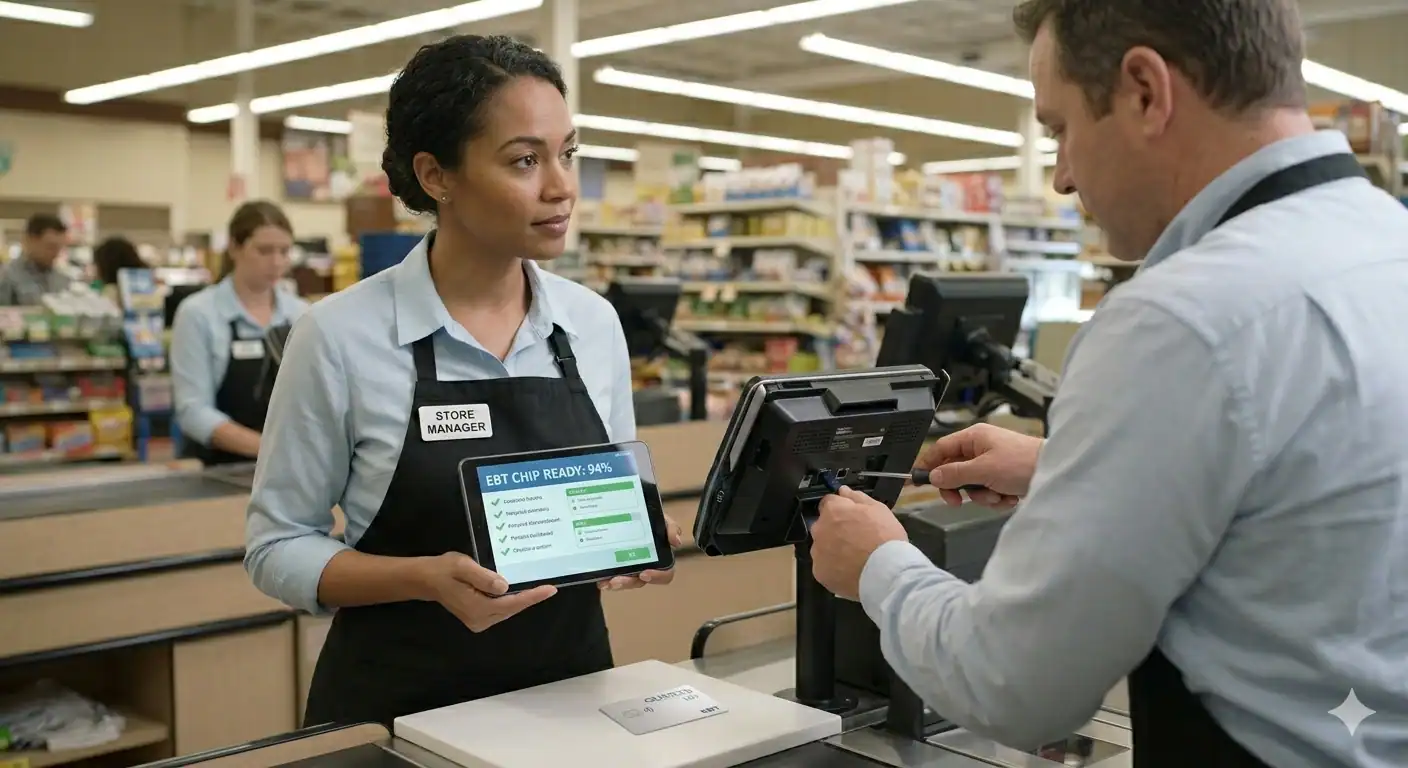
SNAP EBT retailers have no time to waste when it comes to updating their systems if they want to avoid payment issues down the road. With a couple of small measures being taken right away, the shift can be a pleasant experience for both retailer and customers:
Contact Your POS Provider
Start by talking to your POS provider. See if your system works with EBT chip cards. Also, check if it still supports swiping if chips fail during the switch. Some older cards might need that backup.
Request POS System Updates
If your setup doesn’t handle EBT chip cards, talk to your tech supplier. These new cards use common EMV chips. Some only work with the chip, while others let you use a chip or tap.
Check the Technical Requirements
Stores need to check that their point of sale systems can manage the new cards. They must support EMV chips, work with dual interface cards, and read EBT code A0000000044542. The system should also accept the 220 service code on the magnetic stripe. This helps both chip and swipe transactions to go through smoothly.
Test the System in Advance
Some POS vendors might offer test credit cards for retailers to test their terminal programmes. Doing trial payments is one way to discover faults before launching to the public. Resolving the defects in advance will prevent interruptions and unsuccessful payment instances once the new SNAP cards are accepted by the users.
Conclusion
Switching to chip-enabled EBT tap payments cards helps to keep SNAP benefits safer and cuts down on fraud. As these cards roll out, stores need to check if their EBT tap payment required systems work with them. Talking to payment companies and testing terminals early helps to avoid checkout problems. If everything is prepared in advance, shops can keep serving SNAP customers without hiccups. It seems like this change will take some work, but it’s probably worth it. Plus, it helps to protect both users and stores.
FAQs
How can retailers prepare their systems for new EBT chip cards?
Start by checking if store devices work with the new EBT cards. Software needs a refresh before changes roll out. Get in touch with service carriers to learn what steps come next. Some machines might need tweaks to read the chip, based on the benefits correctly.
Why are EBT chip cards being introduced?
Stopping frauds from stealing data off magnetic strips makes cards safer. As copying details gets tougher, the chances of frauds become less likely.
What are some EBT Chip Testing Scenarios?
A few shop owners can try EBT chip tests ahead of time, using dummy cards, to see if machines handle inserted chips correctly. Before turning systems live, checking through sample runs reveals whether any tech works are needed.
What happens if the chip transaction fails?
Some terminals support ECL fallback EBT, letting transactions go through by swiping the card when conditions are right. Though not always active, this option kicks in only under specific approvals. When needed, swiping works instead of chip use. Only allowed cases let this method run.
Do Retailers Need New POS Hardware?
A few stores might have to swap out old machines of the old hardware that don’t support chip cards or tap-to-pay.