
By Julia Koroleva March 16, 2026
Unattended retail is expanding quickly as businesses look for convenient, self-service ways to sell food in workplaces, campuses, and residential locations. As these formats grow, many operators want to support SNAP payments to serve a wider customer base. Implementing EBT unattended retail systems requires compliant technology, proper inventory controls, and secure payment processes to ensure transactions follow SNAP program rules.
Understanding SNAP EBT Unattended Retail
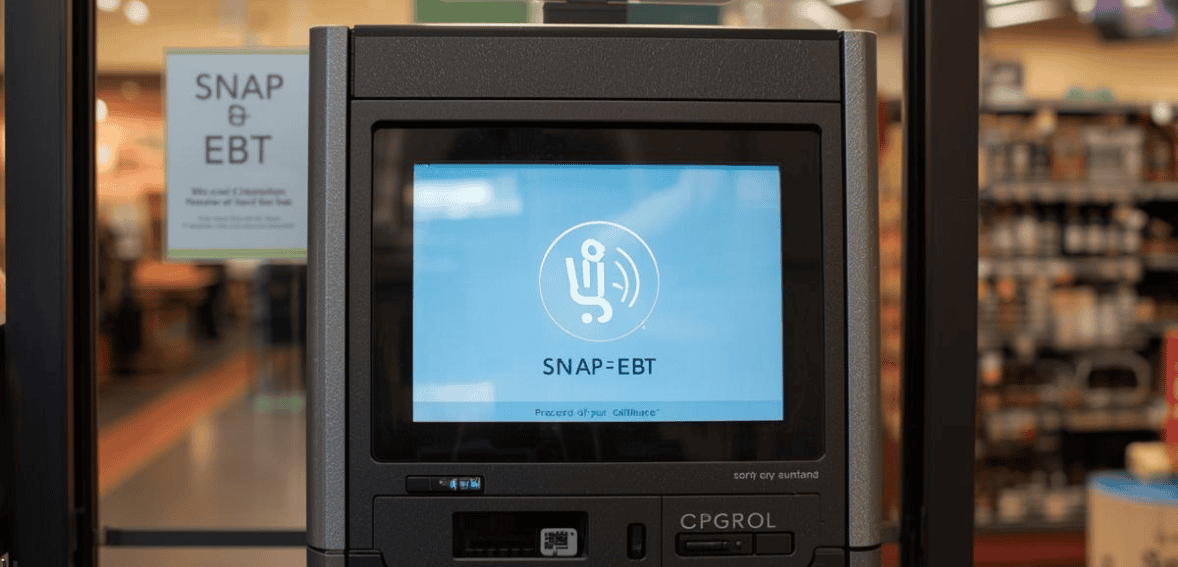
SNAP benefits enable qualified buyers to get food and other essentials with their EBT cards. Most supermarkets and convenience stores are well-versed in SNAP, but making the program available through unattended retail is a different story altogether. These locations often do not have cashiers, so authorization, transaction monitoring, and compliance have to be automatically carried out by these machines.
First off, to be able to accept SNAP EBT, your establishment has to be one of the authorized SNAP suppliers. Then you need to make use of an EBT transaction service that has been approved by the USDA Food and Nutrition Service (FNS). Besides that, your system should be able to restrict the purchase of only eligible food items and also produce correct receipts for every transaction carried out.
How SNAP EBT Expands Opportunities in Unattended Retail
Adding SNAP EBT to the unattended retail setup is one of the ways to provide essential food access to those customers who depend on nutrition assistance programs. Also, at a time when the retail operation is turning self-service and convenient, it can boost the accompanying brand with more customers, including their workspaces, campuses, and residential communities.
Besides, getting EBT payment can have a positive impact on product sales of eligible grocery items and, at the same time, bring the local community closer to nutritious foods. Provided security and compliance, alongside technology, unattended retail operators can perfectly handle secure transactions, keep up-to-date records, and deliver a great shopping experience.
How Unattended Retail Markets Can Accept SNAP EBT
Kiosk Checkout Systems
Kiosk checkout is probably the most popular way that unattended stores accept SNAP EBT. Shoppers pick out their goods from the shelves and then scan them at the self-checkout kiosk. The kiosk program recognizes each item via barcodes and, at the same time, checks whether the food is eligible for SNAP. When the shopper has scanned all the items, they will insert an EBT card and enter a password that is used to finish the payment.
The kiosk will then give the customer a EBT receipt kiosk, either in paper form or a digital one, showing the items bought and the SNAP amount used. As the whole process is controlled by software that takes care of both the scanning of goods and payment authorization, the system should guarantee that non-eligible products cannot be bought with SNAP benefits.
Monitored Micro-Markets
Micro markets are basically tiny retail shops where customers can serve themselves, you usually find these places in offices, apartment complexes, hospitals, and college campuses. Typically, they consist of open shelves, refrigerators, and a central checkout kiosk. The operators make use of a monitored micro-market practice, which is how they roll for SNAP acceptance, which means the place is under the supervision of a camera, remote monitoring, or periodic staff visits.
Monitoring is a good way of deterrence against the theft and misuse of SNAP micro market benefits, as well as of ensuring the accuracy of inventory. This system, which is based on QR code, traces every item, thus facilitating the generation of detailed transaction records and helping to maintain compliance with SNAP audit requirements.
Assisted Pickup Models
Some of the operators are using the assisted pickup model, where the unattended technology is mixed with the least possible staff involvement.
Customers can search items or place an order via a kiosk or a mobile system, and the staff member is the one who will confirm the purchase to be able to pick it up. The process with the EBT card still has to be done via the compliant payment terminal; the least possible staff help is there in order to make sure that only the SNAP-eligible are the ones included in the order.
Smart Vending Machines with EBT Terminals
Advanced vending machines can facilitate SNAP EBT transactions if they are fitted with secure EBT card readers and have the proper software. With these EBT vending machine, customers can choose their products by using a touchscreen and paying through their EBT card.
The system checks if the customer is eligible for the item before allowing the payment to go through. Particularly, SNAP retailer authorization for vending machines are a good solution in places like transport hubs, campuses, and offices where people require fast access to food.
Mobile Order and Pickup Stations
Another new option that is coming to the fore is mobile ordering combined with unattended pickup stations. Through a mobile interface or touchscreen kiosk, customers can check out a digital catalog of SNAP-eligible products, select the items they want, and pay with their EBT card through a secure terminal.
Once the order is confirmed, the goods are put into a locker or pickup shelf for the customer. This approach retains the automated purchase process, but at the same time, it gives the operators control over inventory and the possibility to verify which items are eligible.
Smart Fridges and Controlled Access Coolers
Smart refrigerators and controlled access coolers have become a popular way of providing food services in offices and residential buildings. First, customers pay and unlock the fridge, then they choose the products, and finally, the system automatically detects what has been taken via sensors or barcode scanning.
When the purchase is made with a SNAP EBT, the payment system should be able to check if the holder is eligible before the transaction is completed and also produce an itemized receipt. At the same time, these systems generate digital records, which are essential for compliance and verification of the transaction.
Compliance Guardrails for SNAP EBT in Unattended Retail
Eligible Inventory
The main principle of SNAP compliance is to ensure that only the approved food items are purchased with EBT benefits. SNAP benefits are typically meant for buying the types of grocery items like fresh fruits and vegetables, dairy products, grains, packaged snacks, and other similar items intended for home consumption.
Items that are not allowed include alcoholic beverages, tobacco products, hot prepared foods, vitamins, and non-food products. Unattended retail systems have to block these ineligible products automatically from being bought with SNAP funds. In most cases, this is done through the POS or kiosk software, which recognizes each product by barcode and checks whether it complies with SNAP rules.
Receipts
Providing clear and accurate receipts is one more essential condition. If a customer buys with SNAP EBT at a self-checkout kiosk or automated system, the receipt has to have certain details printed according to program rules such as the store name, store address, transaction date and time, payment method, and the total amount of the purchase.
The receipt should also indicate the leftover SNAP balance or that there were not enough funds, according to local conditions. To safeguard customer confidentiality, the EBT card number that appears on the receipt has to be partially hidden. The complete card number and the customer’s name should never be on the receipt.
Fraud Prevention
One of the main reasons fraud prevention is highly prioritized in unattended retail locations is that these places generally operate without staff nearby. To ensure security, retailers should equip their EBT card readers with functionalities for handling encrypted transactions and to make PIN verification mandatory for each purchase. This measure is an effective way of averting the unauthorized use of SNAP benefits.
Besides that, other means of securing these locations or preventing the use of benefits improperly include installing surveillance from afar, keeping records of transactions, and triggering automatic alerts when certain patterns of behavior are detected as being out of the ordinary.
Handling Mixed Purchases with Split Payment
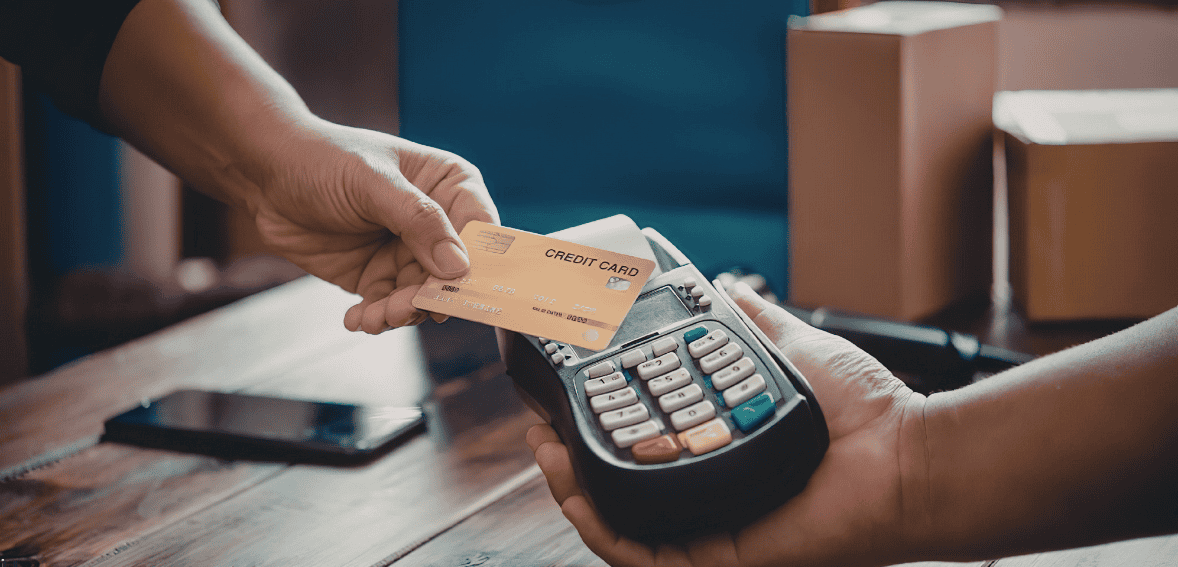
Sometimes shoppers buy both SNAP-eligible and non-eligible products in one shopping trip. A compliant self-checkout system should be capable of managing these mixed purchases without any inconvenience. Once all products are scanned, the POS system automatically sorts items into two groups.
Eligible food products are paid with the customer’s EBT balance. Any items that are not SNAP-approved need to be paid with another method, like debit, credit, or cash. The split-payment system gives shoppers the ability to finish their transaction in one checkout session, at the same time ensuring that SNAP benefits are only used for approved items.
Secure Transaction Processing
All SNAP EBT payments have to be made via approved EBT transaction services that adhere to government security standards. These systems are performing the card verification, checking the benefit balance available, and confirming the purchase instantaneously.
The use of compliant payment processors guarantees that every transaction is accurately authorized and documented for reporting purposes.
Clear Signage and Customer Guidance
Unattended retail locations must prominently feature the details of their SNAP acceptance. For instance, it should indicate what items are allowable for SNAP purchases and provide guidance to customers on how to carry out the EBT transaction either at the kiosk or payment terminal.
This step undoubtedly lessens the chances of customers having to make a wrong purchase or feeling confused by the process.
Compliant and Certified Hardware
All devices in a SNAP EBT self-checkout system must be securely compliant and up-to-date with any changing regulatory requirements. This encompasses all pieces of the self-checkout equipment, for example, the payment terminals, PIN devices, barcode readers, and kiosks.
These pieces of hardware should be capable of handling encrypted communications, which in turn safeguards sensitive data like card numbers and PINs until the completion of the transaction. It is always a good practice to use certified hardware, as it would lead to EBT transactions being carried out in accordance with industry-standard procedures and SNAP program regulations.
Practical Implementation Tips for SNAP EBT in Unattended Retail

Choose the Right Technology Partner
Adding SNAP EBT to an unattended retail setup will require you to partner with technology providers who are well-versed in EBT payment systems and the compliance requirements of these systems. Ideally, your payment processor, kiosk software, and POS system should all be capable of processing EBT transactions and checking SNAP eligibility.
Moreover, a vending machine installation with an EBT provider who knows the unattended retail space can not only help you physically integrate the hardware and arrange the inventory rules but also give you peace of mind that your system is aligned with SNAP guidelines right from the start.
Train Staff and Maintain Operational Support
Though unattended retail spots are mainly automated, it’s still beneficial to have the staff present to some extent. The employees need to know the mechanics of the SNAP EBT system, how to solve minor problems, and how to offer assistance when the customers ask for it.
Frequent checks together with featured supervisory control may contribute to the reduction of the occurrence of operational errors, enable the early detection of problems with the equipment, and lessen the risk of misuse or fraud.
Plan the Layout Carefully
The design of the self-service section should be physically oriented in a way that makes the buying process very simple and straightforward for the shoppers. Also, the kiosks, barcode readers, and card payment machines must be clearly visible and simple to operate.
The obvious signs indicating that SNAP is accepted and giving the step-by-step guide of how to use the EBT card at the kiosk will be of great help in making the transaction smooth and without any doubt or second thoughts. An excellent and well-thought-out layout not only enhances the shopping experience but also minimizes the reliance on help/guidance.
Test SNAP Compliance Workflows
Before a SNAP EBT system is installed in an unattended retail store, it is imperative that the whole checkout procedure is thoroughly tested. This testing should involve item scanning, sorting of SNAP-eligible and non-eligible products, processing split payments, and receipt printing.
Besides preventing the purchasing of ineligible items with SNAP benefits, the system test will also verify whether the receipts have all the necessary transaction details.
Monitor Operations Remotely
Remote monitoring tools are very effective in unattended retail. Cloud-based software enables operators to see available stock, check transaction reports, and follow EBT movements in real time.
Besides this, they can send out alert messages to the operator regarding suspicious transactions, shortage of stock, or breakdown of equipment. Not only does remote monitoring permit uninterrupted operation, but it also helps in ensuring that the system is in line with SNAP regulations.
Provide Clear Customer Guidance
Some SNAP customers might not know about unattended retail checkout systems yet. Clear and concise on-screen instructions, along with easy-to-understand signs, can greatly help to make the process more manageable for them.
The steps should present customers with using the scanner to scan their items, choosing EBT as their payment method, inserting their card, and entering their PIN. Therefore, a straightforward and user-friendly procedure makes the system more accessible and allows customers to make their purchases with confidence.
Conclusion
Unattended retail can effectively process SNAP transactions when the appropriate systems and compliance measures are implemented. From secure payment terminals to proper inventory control and monitoring systems, all components must be aligned to meet program requirements.
It is very important to continuously follow strict EBT compliance unattended retail processes as it not only helps to safeguard customer information but also prevents the misuse of SNAP benefits and ensures that they are being used properly in today’s self-service environments.
FAQs
Can a vending machine accept SNAP EBT?
Absolutely. Vending machines can be used to pay with SNAP EBT if the seller is authorized and the machine operates with the conforming payment technology.
Do micro-markets need a staffed cashier for SNAP?
Actually, micro-markets will not have to get a cashier if their kiosks are able to handle the item scanning, eligibility checking, EBT payments, and receipt generation.
What receipt rules apply in kiosk-based checkout?
Receipts should contain the name and address of the store, date, purchase amount, payment method, last digits of the card, and the SNAP balance.
What’s the biggest compliance risk in unattended SNAP sales?
Major risk is the use of SNAP benefits for the purchase of non-eligible items because of wrong inventory classification or inadequately controlled POS.
How does a SNAP kiosk checkout work in unattended retail?
With SNAP kiosk checkout, customers can scan their chosen products, indicate that they are paying with EBT, type in their PIN, and get a printed receipt.
What features should an EBT payment kiosk include?
Typically, an EBT payment kiosk should be equipped with a secure card reader, an encrypted PIN pad, a barcode scanner, and applications that confirm the SNAP-eligible items.
Can a cashless micro market support SNAP payments?
Yes, a cashless micro market SNAP arrangement can handle EBT transactions provided the store is authorized and employs compliant checkout systems.