Retail has changed dramatically over the past decade, and payment technology has evolved alongside it. Consumers who once relied almost entirely on cash now expect businesses to accept debit cards, credit cards, mobile wallets, smartwatches, and other digital payment methods. Convenience has become a major factor in purchasing decisions, and customers increasingly prefer payment experiences that are fast, secure, and require minimal effort. As a result, contactless payments have become one of the most significant developments in modern retail.
Retailers have embraced this shift because contactless transactions benefit both businesses and customers. Payments are completed more quickly, queues move faster, checkout experiences improve, and businesses can support a wider range of customer preferences. Whether customers are buying groceries, clothing, electronics, coffee, or household essentials, they increasingly expect to complete purchases with a simple tap rather than handling cash or inserting cards into payment terminals.
The continued growth of contactless payments is shaping how retailers invest in technology, design checkout experiences, and improve operational efficiency. Understanding the value of contactless payment systems, the growth of tap-to-pay retail, the role of digital payment technology, the importance of NFC payments retail, and the future of cashless retail solutions helps businesses prepare for the changing expectations of modern consumers.
How Retail Payments Have Changed
Modern retail payments have come a long way from the conventional cash register and card processing systems. Modern businesses have to operate in an atmosphere of high expectations from customers who expect multiple modes of payment facilitated by advanced technology. Credit cards, mobile wallets, wearables, QR code-based payments, and contactless payments are increasingly popular in various industries.
This is due to the change in customer expectations rather than just technology. Speed, ease, flexibility, and dependability of transactions throughout the process of shopping are highly valued by consumers.
The development of contactless payment technologies is another step in this continuous development of retail payments.
What Are Contactless Payments?
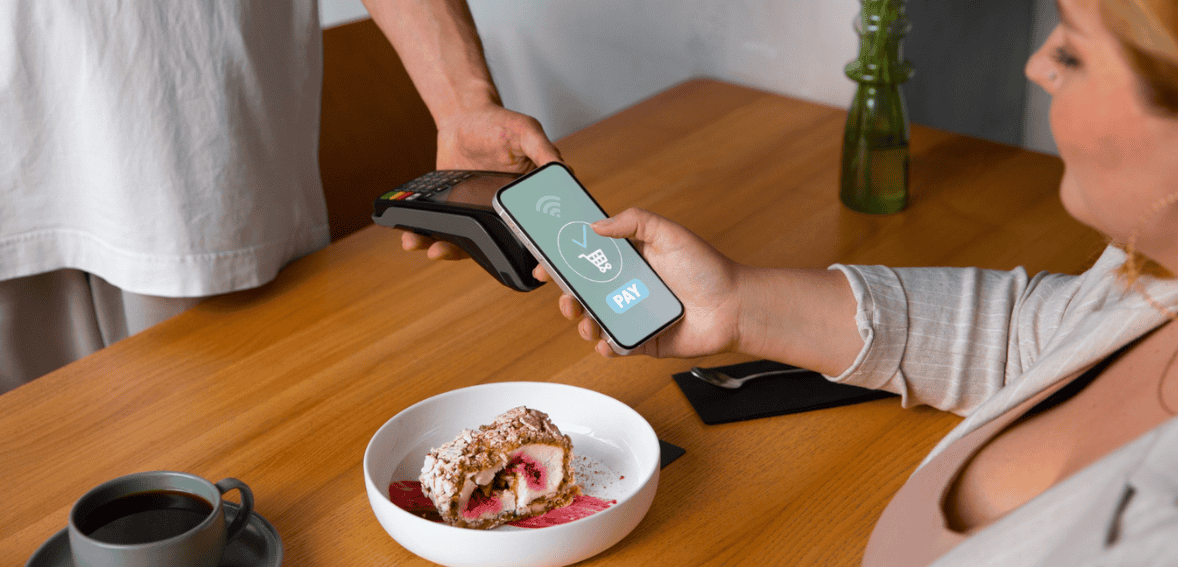
Contactless payments refer to a means through which the customer can pay for goods and services by bringing a card that supports this kind of payment to the POS that has an NFC terminal. Unlike in conventional payments, there is no need to insert a credit card or any physical money. The two parties engage in wireless communication to complete the process securely.
There is minimal interaction that takes place in NFC payments as there is just a tap before the payment starts.
NFC payments have gained popularity across the globe due to the increased usage of these payments in retail stores.
Why Customers Prefer Contactless Payments
Payment solutions that cut down on time and effort are favored by consumers. Contactless payments offer the opportunity for transactions to happen in less time, which is beneficial particularly when shopping in peak times or making everyday small purchases.
Customers also find it advantageous to avoid having to use cash or repeatedly insert payment cards into terminals. Mobile wallets are even more convenient as the payment cards can be stored safely in phones and wearables.
Such trends contribute to further development of tap-and-pay stores among companies of all sizes.
Faster Checkout Improves Customer Experience
Queueing is still one of the most prevalent annoyances in retail. Any kind of delay in payment can have an effect on customer satisfaction, especially at peak shopping times when queueing is more prominent.
Contactless payments help to save time due to the simplicity of the procedure. Customers simply tap their devices, get confirmation and proceed to shop.
Efficient contactless payment systems have a direct effect on smooth customer experience.
Benefits for Retail Employees
Retail staff also benefit from faster payment technology. Employees spend less time processing individual transactions, allowing them to assist more customers during busy periods while focusing on service rather than payment administration.
Reduced transaction complexity also decreases opportunities for manual errors associated with handling cash, calculating change, or processing traditional card payments.
The continued expansion of digital payment technology supports improved productivity alongside enhanced customer satisfaction.
Supporting Multiple Payment Options
The modern customer wants flexibility with regard to their payment methods. Some want to use contactless card payments, whereas others prefer using their phones or watches and mobile wallet apps. Modern businesses that can support various payment methods offer more convenience without restricting customer choice.
The modern point-of-sale devices enable this flexibility by integrating multiple payment methods at once.
Flexibility of non-cash retailing allows for a better fit of retailers’ business to changing customer demands.
The Role of NFC Technology
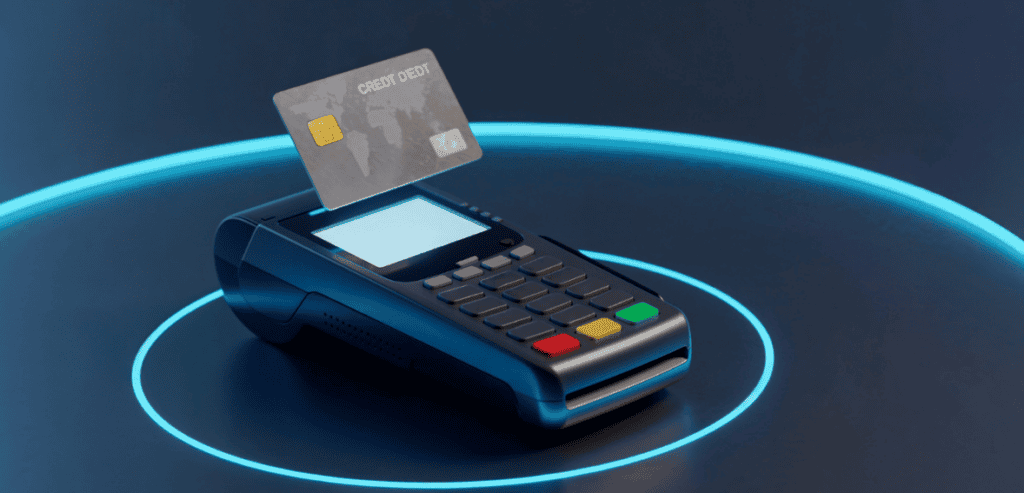
Near field communication, which is popularly referred to as NFC, serves as the backbone of many contactless payments platforms. It is a wireless technology that allows secure information transfer between payment instruments and NFC terminals through short distances.
The technology used in NFC payments is highly reliable and efficient in terms of fast transaction processes and the high security level required in financial transactions.
The reliability of NFC payments in retail continues to promote the use of the system in the retail industry.
Improving Operational Efficiency
Payment technology has implications far beyond customer payments alone. Many modern payment systems interface with inventory, accounting, customer loyalty schemes, sales, and business analysis tools.
Improved payment processing results in reduced queuing times while offering real-time data on transactions for better decision making across the organization.
Digital payment technology improves the overall efficiency of the business and not merely the speed of payment processes.
Security Remains a Priority
Security must never be compromised for convenience. The contactless payment system uses many security features that include encryption, tokenization, authentications, and secure communication.
This is advantageous to retailers since new payment methods ensure that there is less handling of sensitive payment information and that security standards are maintained.
Security remains to be a key driver of confidence in the contactless payment system.
Contactless Payments and Customer Expectations
Many customers now assume retailers will accept contactless payments without needing to ask beforehand. Businesses lacking these capabilities may appear less convenient compared with competitors offering modern payment experiences.
As payment preferences continue evolving, providing contactless options increasingly becomes an expected standard rather than a competitive advantage.
Growing consumer expectations continue accelerating tap-to-pay retail adoption across diverse retail environments.
Supporting High-Volume Retail Environments
Supermarkets, convenience stores, pharmacies, cafés, and quick-service retailers often process hundreds or thousands of transactions each day. Even small reductions in average transaction times may significantly improve customer flow throughout busy trading periods.
Contactless payments reduce bottlenecks while allowing checkout staff to serve more customers efficiently. This contributes to better shopping experiences without requiring additional checkout counters.
Efficient cashless retail solutions become especially valuable in high-volume retail operations.
Integration With Loyalty Programmes
Many modern payment systems combine transaction processing with customer loyalty programmes. Customers earn rewards automatically while completing purchases without presenting separate loyalty cards or membership documents.
Integrated systems simplify both customer participation and retailer administration. Businesses gain better purchasing insights while customers enjoy more convenient reward experiences.
This integration demonstrates how digital payment technology increasingly supports broader customer engagement strategies.
Supporting Small Businesses
Contactless payment technology is no longer limited to large retail chains. Affordable payment terminals and cloud-based systems have made advanced payment capabilities accessible to small retailers, market vendors, cafés, food trucks, and independent shops.
Smaller businesses benefit from the same transaction speed, customer convenience, and operational improvements available to larger organisations.
Accessible contactless payment systems allow businesses of all sizes to compete more effectively within evolving retail markets.
The Rise of Mobile Wallets
Smartphones have become valuable payment devices through mobile wallet applications storing payment cards securely. Customers appreciate carrying fewer physical cards while enjoying fast, secure transactions using devices already carried throughout the day.
Retailers increasingly support these payment methods because they align with changing consumer habits while complementing traditional contactless cards.
The popularity of mobile wallets continues strengthening NFC payments retail adoption worldwide.
Challenges Businesses Should Consider
Although contactless payments offer numerous advantages, businesses should still evaluate implementation carefully. Payment terminal compatibility, software integration, internet connectivity, staff training, technical support, and transaction fees all influence successful adoption.
Retailers should also educate employees regarding available payment options while ensuring equipment remains updated and properly maintained.
Thoughtful planning allows businesses to maximise the benefits of cashless retail solutions while avoiding unnecessary operational difficulties.
Preparing for the Future
Payment technology continues advancing rapidly. AI, biometric authentication, wearable devices, connected vehicles, Internet of Things applications, and increasingly automated checkout experiences are expected to shape future retail environments.
Contactless payments will likely become one component within even broader digital commerce ecosystems where purchasing becomes faster, smarter, and more personalised.
Ongoing tap-to-pay retail development demonstrates how payment innovation continues transforming everyday shopping experiences.
Building Better Customer Relationships
Convenient payment experiences contribute to positive overall impressions of retail businesses. Customers appreciate stores that make shopping simple, efficient, and reliable without creating unnecessary friction during checkout.
Reliable payment systems also support trust because transactions occur consistently with minimal delays or technical problems. These positive experiences encourage repeat visits while strengthening long-term customer loyalty.
Well-implemented contactless payment systems therefore contribute to broader business success beyond individual transactions.
Conclusion
Contactless payments have become an important part of modern retail as consumers increasingly prioritise speed, convenience, and flexibility during everyday purchases. Businesses that invest in modern payment technology improve customer experiences while streamlining operations and preparing for future developments in digital commerce.
The continued growth of contactless payment systems, expanding adoption of tap-to-pay retail, ongoing advances in digital payment technology, wider acceptance of NFC payments retail, and increasing demand for cashless retail solutions demonstrate how payment innovation continues reshaping the retail industry.
As customer expectations continue evolving, retailers that embrace secure, efficient, and flexible payment methods will remain better positioned to deliver convenient shopping experiences while supporting long-term operational growth. Contactless payments are no longer simply a technological trend. They have become an essential component of modern retail that benefits businesses and customers alike.