By Julia Koroleva June 15, 2026
Retail businesses today face increasing pressure to deliver excellent customer service while maintaining efficient inventory control. Regardless of size, companies must ensure that products are available, sales processes are streamlined, and inventory records remain accurate. Access to real-time data enables managers to make informed decisions, reduce operational costs, and improve overall business performance.
Traditionally, inventory management and sales tracking were handled through separate systems or even manual processes. While these methods may have worked in the past, they often created delays, inaccuracies, and operational inefficiencies. As retail operations became more complex, businesses needed better ways to connect different aspects of their operations. This need led to the rise of integrated POS solutions that combine sales processing with inventory management and business analytics.
Modern POS integrations allow businesses to connect sales transactions, inventory records, customer information, accounting systems, e-commerce platforms, and reporting tools into a unified ecosystem. This integration helps organizations improve efficiency, reduce errors, and gain greater visibility into business performance. As retail competition continues to increase, businesses that effectively leverage POS inventory integration are often better positioned to meet customer expectations and drive sustainable growth.
Understanding POS Integrations
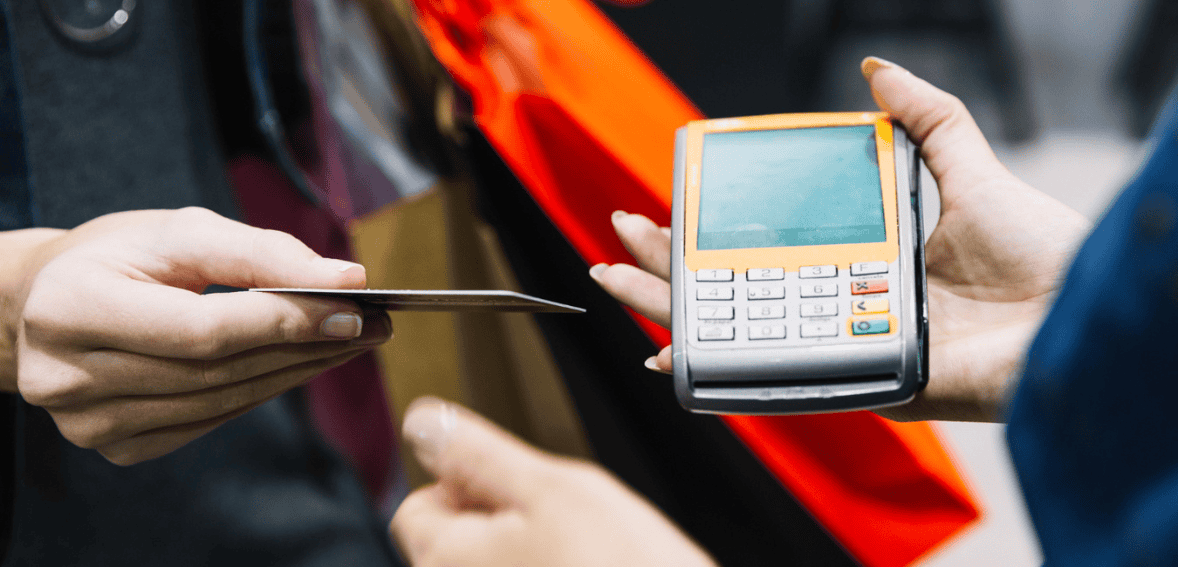
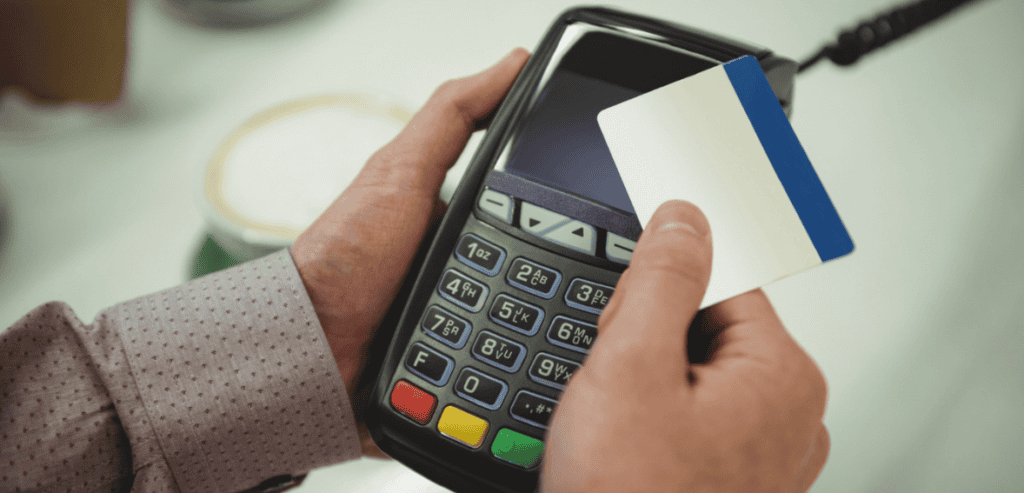
A POS system serves as the central hub where sales transactions are processed. However, modern POS systems have evolved far beyond simple cash registers. Today’s solutions can communicate with various software platforms and business applications, creating an interconnected environment where information flows automatically between systems.
POS integrations allow different technologies to exchange data in real time. When a sale occurs, inventory levels can be updated instantly, customer records can be modified, financial information can be transferred to accounting software, and sales reports can be generated automatically. This eliminates the need for manual data entry and reduces the likelihood of errors.
Businesses can integrate their POS systems with inventory management platforms, customer relationship management software, accounting tools, supplier databases, and online sales channels. The result is a more streamlined operation where employees spend less time managing data and more time focusing on customer service and business growth. These POS integrations have become increasingly important as retailers seek greater efficiency and operational control.
Why Inventory Management Is Critical in Retail
Inventory happens to be one of the most important assets for most retail companies. Inventory management involves controlling the right amount of stock because it influences sales and customer satisfaction as well as profitability. Excess stock ties up funds and increases storage costs, whereas too little stock leads to lost sales and frustrated customers.
Effective inventory management requires clear information about the stock levels, movement, and purchase of goods. The retail companies require understanding which products are being sold at a high rate, which ones are not moving fast enough, and when restocking is necessary. Without good information, it becomes increasingly hard to make proper decisions.
That is when retail inventory software can help. With inventory software that tracks the movement of the goods, companies can make decisions related to purchases and pricing. Inventory software works better if combined with POS systems, allowing companies to manage inventory better as their stock changes according to sales.
How POS Inventory Integration Improves Accuracy
The accuracy of inventory data is critical for efficient retail business management. Human mistakes, lateness, and other inconsistencies usually arise when inventory data are updated manually. Sometimes even insignificant errors in the process of data entry may grow into significant discrepancies within the operation of the company.
With the help of POS inventory integration, most problems connected with manual data entry can be resolved due to the automatic updating of inventory data from POS. Each transaction registered on the POS system affects the inventory management platform at once.
The accuracy of inventory data provides several advantages for a company. Employees will find it easier to work with the customers since they will know everything about products. Business owners will see how profitable each inventory is and make better decisions about purchases and further investments. Moreover, inventory data should be precise to enhance the effectiveness of inventory forecasts and sales analysis.
Real-Time Retail Stock Tracking and Visibility
The ability to track the stock status in real-time is one of the many strengths that come with using integrated POS systems. Traditionally, there used to be lags between when sales are made and when stock changes are recorded. The lag was capable of creating some uncertainties and raising chances of making mistakes in inventory.
Real-time tracking of retail stock status in an integrated system allows businesses to know immediately about any product availability. Once the sales transactions are made, the inventory status of the products will change accordingly, thus enabling businesses to manage their inventory more efficiently based on their needs.
With respect to retailers running more than one business location, real-time stock tracking will be very useful. Such business managers will be able to track stock status across all their different store locations, and also move products from one location to another, depending on their stock status.
When making sales either offline or online, customers expect the availability status of products to be accurate. Real-time retail stock tracking is beneficial in helping achieve the customer satisfaction objective.
Enhancing Sales Management Through Integrated Systems
However, sales management goes beyond just the transaction itself. The enterprise needs to have accurate knowledge about sales performance, customer actions, trends associated with particular goods, and the ways that income is generated. With integrated POS solutions, enterprises get all necessary data through reporting and analysis.
Modern sales management software makes it possible for enterprises to collect vital information on each sale they make. This includes such issues as best-selling items, sales trends, performance appraisal, evaluation of promotional campaigns’ effectiveness, etc.
With sales data connected directly to information about inventory, businesses have the ability to understand the process better. Thus, managers will be able to assess the impact of their inventory performance on sales results and find ways to improve their processes. This is one of the main benefits of sales and inventory integration that makes businesses adopt sales management system solutions.
Reducing Stockouts and Overstock Situations
Inventory imbalances can have serious financial consequences. Stockouts result in lost sales and frustrated customers, while excess inventory increases carrying costs and ties up valuable capital. Finding the right balance requires accurate data and effective inventory management processes.
POS integrations help businesses reduce both stockouts and overstock situations by providing real-time visibility and automated inventory updates. Managers can monitor inventory levels continuously and establish reorder points based on actual sales patterns rather than assumptions.
Integrated systems also improve demand forecasting. Historical sales data combined with inventory information enables businesses to anticipate future demand more accurately. This allows retailers to order the right quantities at the right time, reducing waste and improving profitability.
As retail environments become more dynamic, the ability to respond quickly to changing demand becomes increasingly important. Businesses that leverage POS inventory integration often achieve greater inventory efficiency and improved financial performance.
Supporting Omnichannel Retail Operations
In contemporary times, consumers are likely to engage with various channels of retail. Consumers may explore products via the web, purchase using mobile apps, shop at retail outlets, or even engage in shopping via different modes within one shopping cycle. Inventory management in such cases requires a synchronized approach.
POS integration helps in establishing a holistic view of the stock level at all sales points. Regardless of whether an item has been sold online or physically, its stock level is automatically reflected in records. This will ensure that there are no instances of overselling and customers are provided with correct details about their availability.
Retail inventory software that is integrated into e-commerce sites helps businesses ensure consistency on all fronts. Consumers can access real-time stock levels while firms get better inventory management. Having omnichannel capabilities has become increasingly important for retailers. Retailers who successfully integrate their systems have much to benefit from.
Improving Employee Productivity
Manual inventory tracking and data entry consume significant amounts of employee time. Staff members may spend hours updating spreadsheets, reconciling records, or correcting inventory discrepancies. These tasks reduce the time available for customer service and other value-adding activities.
POS integrations automate many routine processes, allowing employees to focus on more productive work. Inventory updates occur automatically, reports can be generated instantly, and data flows seamlessly between systems. This reduces administrative burdens and improves overall efficiency.
Employees also gain access to more accurate information. Instead of searching through multiple systems or relying on outdated records, staff can quickly access current inventory and sales data. This enables faster decision-making and improves customer service quality.
In competitive retail environments, operational efficiency can significantly influence profitability. Automation through integrated systems helps businesses optimize workforce productivity while reducing operational costs.
Data-Driven Decision Making in Retail
Successful retail management increasingly depends on access to reliable data. Business owners and managers need accurate information to evaluate performance, identify opportunities, and address challenges. Integrated POS systems generate valuable insights that support data-driven decision-making.
Sales reports, inventory analyses, customer purchasing trends, and profitability metrics provide a comprehensive view of business operations. By combining information from multiple sources, retailers can gain deeper insights into performance and market dynamics.
A well-designed sales management system enables businesses to monitor key performance indicators and evaluate strategic initiatives. Managers can assess the impact of pricing changes, promotional campaigns, seasonal trends, and inventory adjustments based on actual data rather than assumptions.
Data-driven decision-making reduces uncertainty and helps businesses respond more effectively to market changes. The insights generated through POS integrations contribute directly to improved operational performance and long-term growth.
Strengthening Customer Experience
Customer experience remains one of the most important factors influencing retail success. Consumers expect fast service, accurate product availability information, and seamless interactions across different channels. Inventory issues and operational inefficiencies can negatively affect customer satisfaction.
Integrated systems help improve customer experiences by ensuring inventory accuracy and reducing transaction delays. Employees can quickly verify stock availability, locate products, and provide accurate information to shoppers. This improves confidence and enhances service quality.
Real-time retail stock tracking also reduces situations where customers purchase products only to discover they are unavailable. Accurate inventory visibility supports smoother fulfillment processes and more reliable shopping experiences.
When businesses consistently meet customer expectations, they build trust and encourage repeat purchases. Strong customer experiences often translate into greater loyalty, positive reviews, and long-term business growth.
The Future of POS Integrations
Technology continues to transform retail operations, and POS systems are evolving alongside these changes. Future integrations are expected to incorporate advanced technologies such as AI, machine learning, predictive analytics, and automation.
AI can help retailers forecast demand more accurately, optimize inventory levels, and identify emerging sales trends. Machine learning algorithms may provide personalized product recommendations and support more sophisticated inventory planning.
Cloud-based solutions are also expanding the capabilities of POS integrations by providing greater accessibility, scalability, and flexibility. Businesses can access real-time information from any location while maintaining centralized control over operations.
As retail competition intensifies, businesses will increasingly rely on integrated technologies to improve efficiency and customer experiences. The role of POS inventory integration will continue to expand as retailers seek smarter ways to manage inventory, sales, and overall business performance.
Conclusion
Effective inventory and sales management are essential for retail success. As businesses face growing customer expectations and increasingly complex operations, integrated technology solutions have become critical tools for maintaining efficiency and competitiveness. POS integrations provide a powerful way to connect sales transactions, inventory management, reporting, and customer information into a unified system.
Through POS inventory integration, businesses gain accurate inventory visibility, improved operational efficiency, and stronger decision-making capabilities. Real-time retail stock tracking helps reduce inventory imbalances, while advanced reporting tools support more effective sales management. These benefits extend across all areas of the business, from customer service and employee productivity to financial performance and strategic planning.
Modern retail inventory software combined with a comprehensive sales management system allows businesses to operate with greater confidence and agility. As technology continues to evolve, integrated POS solutions will play an increasingly important role in helping retailers adapt, grow, and meet the demands of an ever-changing marketplace. Businesses that embrace these capabilities today are likely to be better positioned for success in the future.