
By Julia Koroleva March 3, 2026
The SNAP online purchasing program retailer onboarding process assists grocery stores and food retailers in venturing into online sales thus, serving their SNAP benefit customers. With the evolution of grocery shopping in the United States, more retailers are associating with the program.
Knowing the criteria, the process for the LOI, and doing the onboarding steps guarantee that businesses are able to safely accept the SNAP EBT online retailer program and attract a larger customer base.
SNAP Online Purchasing Program Retailer Onboarding, LOI, Documents, and Eligibility
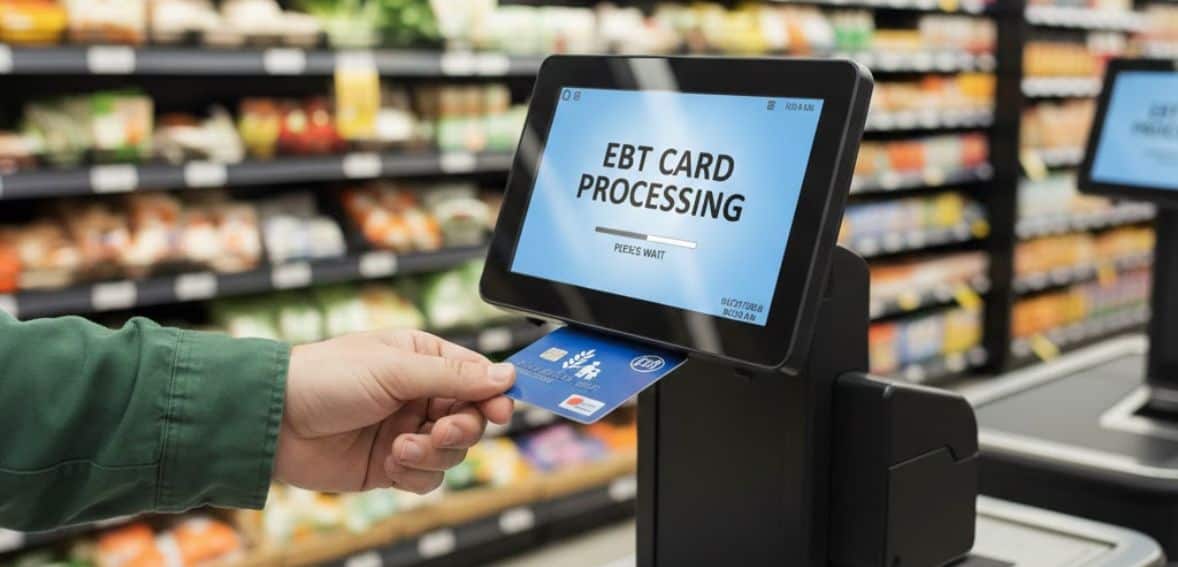
1. Retailer Eligibility to Offer SNAP Online Purchasing
In order to be able to offer SNAP Online Purchasing Program, a retailer must be one of the existing authorized retailers that accept traditional SNAP benefits in- store. However, besides the in- store eligibility, the retailer must also meet certain online requirements to be allowed to carry out SNAP EBT transactions via their digital platforms.
Retailers can operate online either through their own website or in partnership with an online EBT payment processing provider and will be required to have an operating platform. The platform should have the capability of securely processing SNAP EBT transactions, recording the purchases of eligible food items, and restricting the items offered only to those that are SNAP eligible for purchase through the program.
Key Eligibility Criteria Include:
- SNAP, Authorized Retailer: A retailer must be one of the stores authorized by the USDA to accept SNAP benefits therein.
- Online Storefront: The retailer must operate a functional eCommerce platform (either a website or an app) capable of facilitating a secure SNAP checkout.
- Secure Payment Systems: The platform should offer a safe online PIN entry facility for EBT payments and also engage third party processors for payment management.
- Inventory Management: The system needs to be able to accurately identify and restrict purchases only to food items that are eligible, in accordance with SNAP regulations.
- Split Tender Payments: The platform must support split payments, allowing a customer to pay using different payment methods (e.g., SNAP for eligible items and a different payment method for non eligible items).
By meeting the above criteria, a retailer can initiate the process of selling SNAP purchases online.
2. Submit a SNAP OPP LOI (Letter of Intent)
If the retailer successfully validates that they meet the eligibility criteria, the next step would be submitting a letter of intent (LOI) to the Department of Agriculture, Food and Nutrition Service (FNS)
The LOI is a statement of the retailer’s intention to participate in the SNAP Online Purchasing Program, and it serves as a formal starting point of the onboarding process. It includes the following:
- Business Details: The letter should contain the basic information about the business, such as the store locations and the eCommerce platform being used.
- Confirmation of Online Requirements: Retailers have to confirm their ability to meet the online SNAP requirements such as the payment systems, display of eligible products, and security measures.
- Request onboarding: By sending a Letter of Intent, the retailer is basically inviting FNS to start the online SNAP registration process, which is the starting point of the onboarding process.
The submission of the LOI sets the stage for further steps and the assessment process carried out by FNS online purchasing onboarding process.
3. FNS Review and Authorization Materials
When FNS gets the LOI, they scrutinize the information given very thoroughly to figure out if the retailer really intends to go ahead with the next steps. Sometimes, FNS inquires for further details or clarifications concerning the retailer’s platform or method of operation. Following the LOI approval, FNS sends the retailer the authorization paperwork that must be completed as part of the submission process.
These papers may be a combination of different kinds, such as:
- Retailer Authorization Forms: These paperwork signify the retailer’s official authorization to participate in the SNAP Online Purchasing Program.
- Business Documentation: Retailers may be requested to provide additional documentation to prove that their online operations are in line with the program standards.
- Security and Operations Certifications: Retailers must pass certifications verifying the safety of their online payment systems, among which are compliance with data protection standards.
The retailer is supposed to fill out and send back the authorization materials to FNS for the subsequent SNAP approval process.
4. Business Requirements Document and Demo
If the retailer’s e-commerce platform is not familiar with the SNAP Online requirements or if it provides some really innovative features, the retailer may be asked to submit a Business Requirements Document (BRD). This document is intended to describe in detail the technical and operational requirements that the platform must have to be able to process SNAP transactions online.
Website Demo
The other option could be that the retailer has to show a demo of their website demonstrating how SNAP EBT transactions are done. So, this will also help them to check whether their platform meets SNAP standards, for example:
- Secure PIN entry through third party processors.
- Integration with payment systems that meet SNAP-specific requirements.
- Clear error messaging to customers if a transaction is declined.
- Making sure only eligible food items are charged under SNAP.
The BRD together with the demo, is a method by which the retailer is able to show the FNS their platform in a way that is not only secure for handling SNAP transactions but also in compliance with the program rules.
5. Testing Your Online Platform
Once the retailer has completed the BRD and demo, both the retailer and FNS conduct thorough end-to-end testing of the online platform. This stage is critical in ensuring that the SNAP EBT payment system functions as expected.
During testing, both parties review the following:
- Payment Flow: Testing ensures that SNAP EBT transactions are processed securely, with proper PIN entry and payment routing.
- Refund Handling: Retailers must demonstrate that refunds for SNAP purchases are correctly returned to the SNAP balance and not given as store credits or cash.
- Error Handling: The system must be able to properly handle transaction declines and show the correct messaging to users.
- Transaction Accuracy: Testing ensures that the SNAP-eligible items are correctly categorized and that non-eligible items are excluded from SNAP purchases.
Successful testing confirms that the platform is ready for live transactions and complies with all SNAP regulations.
6. Final Approval and Launch
Once all testing is finished and the retailer is certain that all systems are compliant, they get a final approval from FNS to go ahead and start their online SNAP purchasing service. This phase involves the following:
- Launch Confirmation: FNS communicates to the retailer the details of the launch, such as the approved dates and the rollout instructions.
- Go Live: When the service goes live, SNAP recipients will be able to use their EBT cards to buy eligible food items from the retailer’s online platform.
- Continuous Compliance: Retailers should always adhere to the program guidelines and ensure that their systems are compliant with the SNAP rules for the entire duration of the program.
How to Add EBT to an eCommerce Website

Initially, retailers should get the green light from the USDA Food and Nutrition Service to accept SNAP benefits online before they change their e-commerce store in any way. The main action is to gain FNS approval by submitting an application through the official FNS portal to become an authorized SNAP retailer.
In case you are already offering groceries online, you will be required to send a Letter of Intent (LOI) to the SNAP Online Purchasing Program mailbox explaining how your website complies with the program standards. Retailers will be wise to have key documents ready, such as their FNS number, business license, and tax information, because these will be asked for during the approval and onboarding phases.
Once authorized, retailers should examine their existing e-commerce system. If you are already working with an e-commerce service, the first step is to contact them to see if they process EBT payments for online SNAP transactions or if they can implement this service on your website. In most instances, using your existing service may be the most efficient and economical solution.
But if the service is planning to implement EBT services for the first time, they must understand the technical requirements of processing SNAP EBT transactions online. If your service does not currently process EBT payments, SNAP online additional authorization documents may be required by the FNS before approval. In some instances, retailers may also be asked to give a brief online tour of the e-commerce system to program officials to demonstrate how EBT payments will be made.
Retailers should also consider what types of payment options they would like to provide to their customers. Some retailers may decide to only accept online payments through SNAP, while others may choose to accept both SNAP and EBT Cash payments, in addition to other payment types such as credit or debit cards.
At this point, it is also important to consider what services you would like to receive from your eCommerce solution provider. Some e-commerce solution providers may only provide payment processing services, while others may provide a complete online storefront solution, which may include website design, product listings, and integration with your inventory management system.
Another important aspect of this process is to discuss the implementation timeline with the provider. Retailers should ask the provider how long it will take from the time of signing the contract to the time when live online payments can be accepted. It may take some time to build or upgrade an online storefront, especially if this is the first time the provider is building an online storefront, integrating systems, or implementing EBT payments.
Retailers should also examine the terms of the contract before choosing a partner. Key information includes the minimum and maximum length of the contract and the implications for pricing. It is also important to understand the implications of the contract automatically renewing, the terms for early contract termination, and the amount of notice required to terminate the contract without incurring penalties.
Retailers should also have a clear understanding of the terms of the contract regarding the provider’s and the store’s responsibilities, including the provider’s role in managing payment processing, the online storefront, and inventory integration.
Lastly, retailers should inquire about the terms of payment and service fees. Some providers charge fees through direct debit from the retailer’s bank account on a daily or monthly basis, while others charge separately and accept payments through check or ACH transfer. Retailers should also inquire about any insurance requirements that are part of the service contract.
Benefits of SNAP Online Purchasing for Retailers
Joining the SNAP Online Purchasing Program provides many advantages to retailers, beginning with the expansion of their customer base. By allowing online payments for SNAP benefits, retailers can serve a vast and untapped market of SNAP beneficiaries who are accustomed to or need to shop online. This results in increased sales and regular business as most of these customers depend on monthly benefits for their essential grocery needs.
Moreover, it enhances the online presence of the retailer, allowing them to compete effectively in the rapidly expanding online grocery market. The online shopping experience provided to customers increases their loyalty to the retailer, and they also make the most of their online infrastructure. Finally, it benefits the retailer by having a positive effect on their communities and improving their reputation as an accessible and responsible business.
Conclusion
The SNAP online purchasing program retailer onboarding process provides great opportunities for retailers to increase their customer base and make their services more accessible to SNAP beneficiaries. By following the required steps, including verifying eligibility, submitting the Letter of Intent, and fulfilling all the requirements for onboarding, retailers can successfully implement the SNAP payment option into their e-commerce sites, leading to increased sales and customer satisfaction.
FAQs
What is the SNAP Online Purchasing Program?
It enables approved retailers to accept SNAP EBT payments online via websites or mobile applications, in accordance with USDA Food and Nutrition Service regulations.
Do retailers need prior SNAP approval?
Yes. The business must be an existing approved SNAP retailer before applying for online SNAP payment acceptance for grocery purchases.
What is the purpose of a Letter of Intent (LOI) in this program?
A Letter of Intent is a notice to the relevant authorities of your store’s intention to participate in the SNAP online purchasing program and that your website is capable of handling the necessary functionality.
Is a retailer required to have a special e-commerce setup?
Yes. Your website must handle secure EBT payment processing, filter products eligible for purchase with SNAP, handle split payments, and generate accurate receipts for online SNAP payments.
How long does the onboarding process take?
It depends on the readiness of the platforms, testing, and approval, but most retailers take a few weeks to months to complete the setup and verification process.
What Is SEMTAC SNAP Online Help?
SEMTAC assists retailers in understanding the requirements for SNAP Online, assists in eCommerce integration, reviews readiness for the platform, and assists with communication during the onboarding process to ensure a successful integration of EBT payments on their websites.