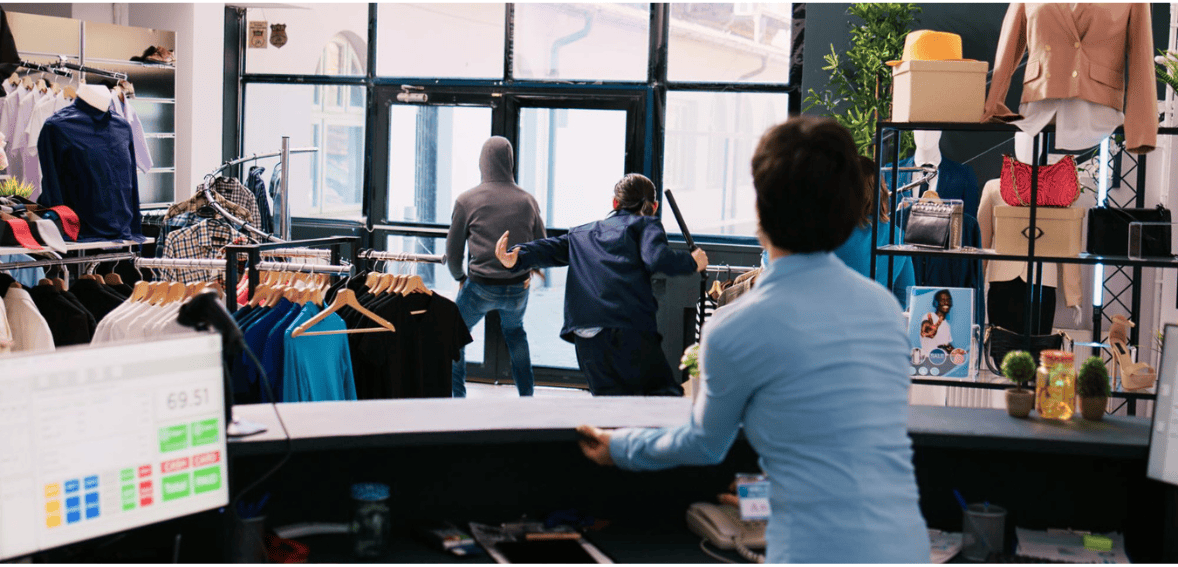
Retail has changed dramatically over the past decade. Customers no longer shop through a single channel or follow a predictable buying journey. A shopper may discover a product on social media, compare prices on a mobile phone, place an online order, visit a physical store to examine the item, and finally complete the purchase through an app or in person. This seamless movement between digital and physical shopping channels has transformed customer expectations and reshaped how retailers operate.
To meet these expectations, businesses have embraced omnichannel retail strategies that connect online stores, physical locations, mobile applications, marketplaces, and customer service into one integrated experience. However, creating this level of consistency requires more than simply selling across multiple channels. It depends on technology capable of keeping every part of the business connected in real time.
At the centre of this connected environment is the POS system. Modern POS platforms have evolved far beyond simple cash registers. They now manage inventory, payments, customer information, loyalty programmes, reporting, and order fulfilment across multiple sales channels simultaneously.
Choosing the right omnichannel retail POS solution allows businesses to deliver the consistent experiences that today’s customers expect while improving operational efficiency throughout the organization. Without the proper technology foundation, even the best omnichannel strategies become difficult to execute successfully.
Understanding Omnichannel Retail
Omnichannel retail refers to creating a connected shopping experience across every customer touchpoint. Rather than treating online stores, physical locations, mobile apps, and customer service as separate operations, businesses integrate them into one unified journey.
For customers, this means being able to browse products online, check in-store availability, purchase through any channel, return items wherever convenient, and receive consistent service throughout the process.
Unlike multichannel retail, where channels often operate independently, omnichannel strategies focus on continuity. Information flows between systems so customers experience one brand rather than separate departments.
An effective omnichannel retail POS platform supports this continuity by connecting transactions, inventory, customer profiles, and payment information across every channel.
The objective is making shopping easier regardless of how customers choose to interact with the business.
Why Customer Expectations Have Changed
Consumer behavior has undergone tremendous changes due to the incorporation of digital technology into our lives. Nowadays, consumers demand convenience, speed, flexibility, and personalization in their shopping experience.
Customers do not distinguish between online shopping and offline shopping. They expect from companies that they will recall past purchases, know about membership in loyalty programs, honor promotions no matter where they make a purchase, and offer accurate product availability information.
Inability of one system to talk to another creates frustration for the customers. The availability of products on the Internet can be different from the availability in store. There can be issues with synchronizing of loyalty points. Returns can be unnecessarily complicated.
Integrated retailing systems allow eliminating all these contradictions and synchronizing of customer and operation data in all sales channels. It is necessary to meet modern consumer demands with technologies that facilitate this interaction.
The Evolution of Modern POS Technology
Conventional POS technology was largely limited to performing transaction-related processes only. These systems recorded sales, took payments, and issued receipts. Even though these activities continue to be vital in current times, today’s omnichannel retail POS systems require many more functionalities.
Modern POS platforms handle tasks such as inventory management, customer database management, handling online orders, managing user permissions, generating reports, handling promotions, issuing gift cards, running loyalty programs, and processing payments all at once.
It is no longer the case that POS systems were just standalone systems for conducting payment related tasks, instead, modern POS platforms work as the hub of retail management, where almost every activity is connected. Advanced POS technology is thus now imperative for omnichannel retail success.
Connecting Online and Physical Stores
One of the biggest challenges retailers face involves maintaining consistency between ecommerce platforms and physical stores. Customers expect both channels to reflect the same inventory, pricing, promotions, and product information.
Online and offline retail software allows businesses to synchronize these systems automatically. When inventory changes in one location, updates appear across all connected channels almost immediately.
This connectivity reduces overselling, stock discrepancies, and customer disappointment caused by inaccurate product availability.
Retailers also benefit because staff spend less time manually updating inventory across multiple systems.
Strong integration between online and physical operations creates smoother experiences for customers while improving operational accuracy.
Real-Time Inventory Visibility
Inventory management is even more complicated in multi-channel business operations. Products can be sold through stores, online, through market places, mobile applications, as well as social commerce.
The lack of unified retail systems leads to outdated data about inventory. Manual updating creates delays which lead to inaccuracies and lost sales. Modern POS systems for omnichannel retail update inventory after every transaction in real time.
Employees can see updated information about their inventory right away. This helps customers since the availability of products online matches reality better. This increases efficiency in decision-making and operational efficiency.
Improving Customer Experiences Across Every Channel
The customers appreciate companies that recall their preferences irrespective of how they purchase products. Online or physical, they expect to be treated equally.
The retail technology helps provide the above through the creation of customer profiles at central locations. The purchase history, reward systems, preferences, and even communication history are all available in all interactions.
It allows for personalization, easy return of products, promotion campaigns, and excellent customer services.
The staff is better placed to help the customers owing to their availability of information on the customers irrespective of the purchase history. Excellent customer experiences lead to customer loyalty.
Simplifying Click-and-Collect Services
Click-and-collect services have been gaining popularity for the simple reason that these services bring together online and offline worlds through which consumers can get their goods delivered without having to incur any extra costs associated with transportation.
In order to implement such services, it is important to have efficient coordination between the ecommerce website and the store.
The online and offline solutions for retail allow consumers to make their purchase online and get orders directly into the system in the store. This allows store employees to notify customers when their orders are ready.
Managing Returns Across Multiple Channels
Return situations can easily get more complicated if consumers shop from one channel but return products from another.
With the lack of a retail technology system that integrates everything, staff will be faced with difficulties regarding verification of purchases, refund processing, and inventory management.
This is avoided when there is integration since transactions are recorded and stored in one place.
Thus, staff members have no problem finding purchase details no matter which channel made the purchase. In addition, inventory updates happen instantly after return products are handled.
Supporting Multiple Payment Methods
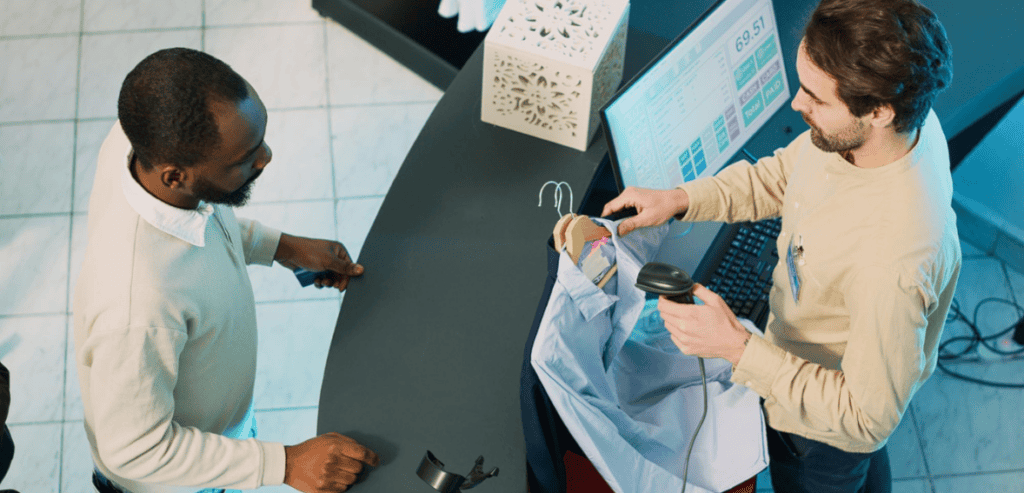
Payment methods have been increasing because of the use of digital wallets, contactless payments, mobile payments, buy now pay later services, among others.
The omnichannel payment platform makes it easier for companies to offer their customers various methods of payment regardless of whether they are using the online or offline platform.
Flexibility in making payments is a basic requirement from the customers. Customers are expected not to be limited in the methods used to make payment regardless of where they decide to make their purchases. It is therefore important for businesses to incorporate modern payment preferences into their retail operation.
Better Data for Smarter Decisions
Retailers generate enormous amounts of information every day. Sales transactions, customer behaviour, inventory movements, promotional performance, and payment activity all contribute valuable business insights.
However, disconnected systems often create fragmented data that limits meaningful analysis.
Integrated retail systems combine information from every sales channel into centralized reporting platforms. Managers gain comprehensive visibility regarding performance across the entire business.
This information supports better purchasing decisions, staffing plans, marketing strategies, and inventory forecasting.
Access to accurate data helps retailers respond more effectively to changing customer demand and market conditions.
Improving Operational Efficiency
Running a separate system for online stores, physical shops, inventory, payments, and client management results in additional bureaucracy.
Staff may need to allocate much time for manual data updates in multiple systems, which will increase labor expenses and create an error possibility.
A single retail system avoids repetition due to automatic data transfer between connected systems. Automation makes it possible to be productive and concentrate on other things. Increased efficiency usually translates into decreased costs as well.
Supporting Business Growth
As retailers expand into additional stores, ecommerce platforms, marketplaces, or international markets, operational complexity increases significantly.
Businesses need technology capable of growing alongside their operations without requiring entirely new infrastructure.
An effective omnichannel retail POS platform supports scalability by managing additional locations, products, staff, and customers within the same integrated environment.
Growth becomes easier because standardized systems simplify training, reporting, inventory management, and customer service across expanding operations.
Scalable technology provides flexibility for future business development.
Challenges Businesses Should Consider
Although omnichannel technology offers significant advantages, successful implementation requires careful planning. Retailers should evaluate integration capabilities, data migration requirements, employee training needs, and operational workflows before adopting new systems.
Online and offline retail software should integrate smoothly with ecommerce platforms, accounting systems, inventory management tools, and payment providers.
Staff training also plays an important role because employees must understand how to use new capabilities effectively.
Selecting technology based solely on current needs may limit future flexibility. Businesses should consider long-term objectives when evaluating solutions.
Thoughtful planning increases implementation success while maximizing return on investment.
The Future of Omnichannel Retail
Retail technology continues evolving rapidly as AI, predictive analytics, automation, and personalized customer experiences become increasingly common.
Future omnichannel retail POS systems will likely provide even greater visibility across operations while supporting advanced inventory forecasting, personalized promotions, and intelligent customer engagement.
Omnichannel payment systems may also become more flexible as new digital payment methods emerge and consumer preferences continue changing.
Unified retail technology will remain central to these developments because connected systems provide the foundation necessary for future innovation.
Retailers investing in adaptable technology today position themselves for continued success tomorrow.
Conclusion
Modern retail is no longer defined by separate online and physical shopping experiences. Customers expect seamless interactions across every channel, whether browsing products, making purchases, collecting orders, or requesting support.
Meeting these expectations depends heavily on selecting the right omnichannel retail POS platform. Rather than functioning solely as transaction processors, modern POS systems connect inventory, payments, customer information, reporting, and fulfilment into one coordinated environment.
Integrated retail systems improve operational accuracy, while online and offline retail software ensures consistency across every customer touchpoint. Unified retail technology supports stronger decision-making, better inventory management, and more personalized customer experiences. At the same time, omnichannel payment systems provide the flexibility customers increasingly expect when completing purchases.
As retail continues evolving, businesses that invest in connected technology will be better equipped to adapt to changing consumer behaviour and competitive pressures. The right POS platform is no longer simply a checkout tool. It is the technological foundation that allows omnichannel retail strategies to succeed, helping businesses deliver consistent, efficient, and customer-focused shopping experiences across every channel.