Retail has undergone remarkable transformation over the past decade. The way consumers shop, pay, and interact with brands has evolved rapidly, driven by technological advancements and changing customer expectations. Today’s shoppers value speed, convenience, and flexibility more than ever before. They expect seamless transactions whether they are purchasing products in a physical store, at a pop-up event, through a curbside pickup service, or during a face-to-face interaction on the sales floor.
A standard checkout counter was considered to be the heart of any shopping experience. Buyers came to this place, where they selected the goods, queued up, and made their purchase. Nowadays, such a system is still used; however, companies try to introduce more flexible solutions. Many businesses look for an effective solution for reducing queues, involving customers in the shopping process, and making it more convenient.
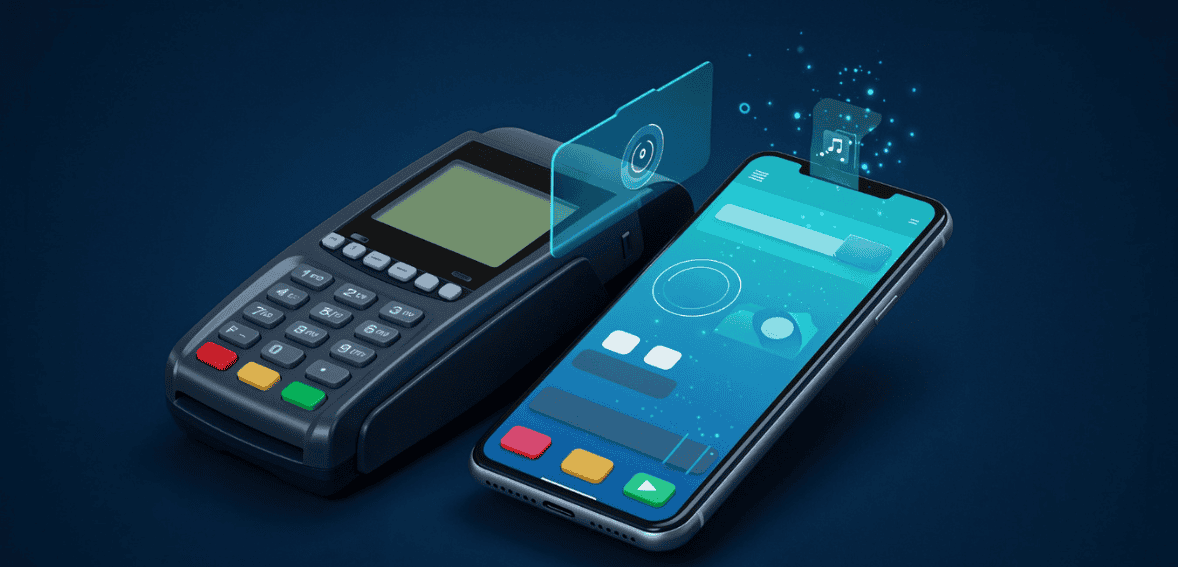
It is one of the reasons for the popularity of mobile POS systems. With such equipment, retailers can perform transactions in any place of their choice rather than only in special spots designated for this purpose. They make the operation of many companies more flexible because transactions can be performed almost anywhere.
As consumers’ expectations increase, mobile technologies become an essential element for selling products in the future. It is worth noting that all retailers regardless of their size try to apply mobile technologies in order to benefit from them.
Understanding Mobile POS Systems
A POS system is the technology used to complete sales transactions. Traditional POS systems typically consist of stationary hardware located at designated checkout counters. These systems process payments, manage inventory, generate receipts, and track sales activity.
A mobile POS system performs many of the same functions but uses portable devices such as smartphones, tablets, or specialized handheld terminals. Because these devices are mobile, employees can process transactions from virtually any location within a retail environment. This flexibility changes the way businesses interact with customers and manage daily operations.
Modern mobile POS solutions often include features such as inventory access, customer information retrieval, digital receipt generation, loyalty program integration, and real-time sales reporting. Rather than being limited to a single checkout area, sales associates can assist customers throughout their shopping journey.
The ability to complete transactions anywhere creates a more dynamic retail environment. Customers receive assistance faster, staff members spend more time engaging with shoppers, and businesses gain greater operational flexibility. These advantages are contributing to widespread adoption across multiple retail sectors.
Why Retail Is Moving Toward Greater Mobility
There have been several changes in consumer behavior over the last few years. Consumers now know the convenience that digital technologies offer them and expect the same experience in brick-and-mortar locations. Long lines, lack of support, and time consumption can decrease customer satisfaction.
To solve these problems, retailers are increasingly using retail mobility systems. Mobility makes it possible for organizations to offer their services directly to customers and not make them go through old-fashioned procedures. Sales people can help customers get answers to their questions, check availability of products, suggest alternatives, and complete their transactions without leaving their side.
This approach enables companies to create a more personalized experience for customers. As opposed to sending customers to a cash register, sales people can now concentrate on providing services anywhere within the store location.
Mobile retailing also helps organizations adjust to new operating conditions. No matter whether it is about selling products at outdoor markets, pop-up shops, or regular huge retail locations, mobile tools will be useful in every case.
Enhancing Customer Experience Through Mobile Checkout
One of the most significant benefits of mobile retail technology is its impact on customer experience. Modern consumers value convenience, and checkout processes often influence their overall perception of a business.
Mobile checkout technology enables retailers to complete transactions quickly and efficiently. Rather than waiting in line, customers can finalize purchases wherever they are in the store. This reduces congestion and minimizes frustration during busy shopping periods.
The ability to complete transactions instantly also supports impulse purchases. When customers can make buying decisions and complete transactions without delay, the likelihood of abandoned purchases decreases. Faster service contributes to higher satisfaction and potentially increased sales.
Beyond speed, mobile checkout technology creates opportunities for more personalized interactions. Sales associates can remain engaged throughout the purchasing process, answer final questions, recommend complementary products, and strengthen customer relationships. These interactions help create memorable shopping experiences that encourage repeat visits.
The Growing Role of Handheld POS Devices
Portable technology is now becoming an essential tool that retail employees use in their work. A handheld POS system ensures that a staff member is always connected to relevant business data while working anywhere within a retail setting.
Some of the data that may be available through such technology includes current stock levels, item information, prices, and transaction history of past purchases made by the client. In case a customer wants to know whether a certain item is in stock, it is easy to tell them instantly.
Additionally, portable technology ensures that staffing is flexible for retailers. The employees do not need to stick to any one particular counter but can assist shoppers anywhere. The flexibility provided by this technology makes it easier for retailers to optimize the use of their human resource.
In situations where retailers are dealing with large retail stores, warehouse settings, garden centers, furniture showrooms, and specialized retailers, portable technology becomes essential since customers need help.
Supporting Omnichannel Retail Strategies
The retail industry today goes beyond the brick-and-mortar concept. In many cases, consumers use both online and offline channels as part of their shopping experience. They might look at items in the online portal, go to the store to examine the product further, and finally make their purchase using a mixture of online and offline actions.
Mobile POS systems are vital in supporting omnichannel business models. This is because mobile POS systems are connected to centralized databases. Therefore, it becomes possible to ensure uniformity in sales across all channels. Items’ inventory levels, customer details, promotional materials, and transactional data are always up to date irrespective of the sales channel used.
When retailers have to implement click-and-collect, curbside collection, or in-store returns, mobile solutions are very valuable. It allows for order verification and processing without forcing consumers to go through standard checkout queues. In today’s retail environment, where consumers’ expectations keep changing, integration of digital and physical channels plays a critical role.
Improving Operational Efficiency
The benefits of mobile retail technology extend beyond customer-facing activities. Businesses also gain significant operational advantages through improved efficiency and workflow management. Traditional checkout systems often create bottlenecks during peak periods. Fixed registers can become overcrowded, resulting in longer wait times and reduced productivity. Mobile systems allow retailers to distribute transaction processing across multiple employees and locations.
Inventory management also becomes more efficient. Employees equipped with mobile devices can perform stock checks, update inventory records, and verify product availability directly from the sales floor. This reduces unnecessary movement between workstations and improves accuracy.
Retail mobility solutions also support faster decision-making. Managers can access real-time sales reports, monitor performance metrics, and respond to operational challenges more quickly. These capabilities help businesses remain agile in competitive retail environments.
Expanding Retail Beyond Traditional Stores
Nowadays, retailing is no longer confined within the four walls of a store. Companies reach out to consumers through temporary outlets, experience events, community events, and even mobile retail sales. In order to conduct transactions, companies need to be more flexible, which traditional checkout systems cannot deliver.
Portable payment systems help businesses to conduct transactions anywhere. It is possible to sell at trade shows, festivals, farmers’ markets, sports events, promotions, and other types of temporary retail activities while still ensuring the security of payment processes.
Portability opens up new possibilities for companies. It makes it easy to experiment in different markets and start something new, such as a pop-up retail business, without having to build anything permanent. Portable payment systems facilitate business expansion and innovation.
Portable payment systems are also crucial for the operation of businesses that are based on services rather than traditional retail. Mobile food stalls, service providers working from home, consultants, and delivery services have all come to rely on portable payment capabilities.
Meeting Consumer Expectations for Speed and Convenience
Consumer expectations continue to rise as technology becomes more integrated into daily life. Shoppers expect fast service, simple transactions, and minimal friction throughout the purchasing process.
A mobile POS system aligns closely with these expectations by reducing unnecessary delays and simplifying payment experiences. Customers appreciate the ability to complete purchases quickly without navigating crowded checkout areas or waiting in long queues.
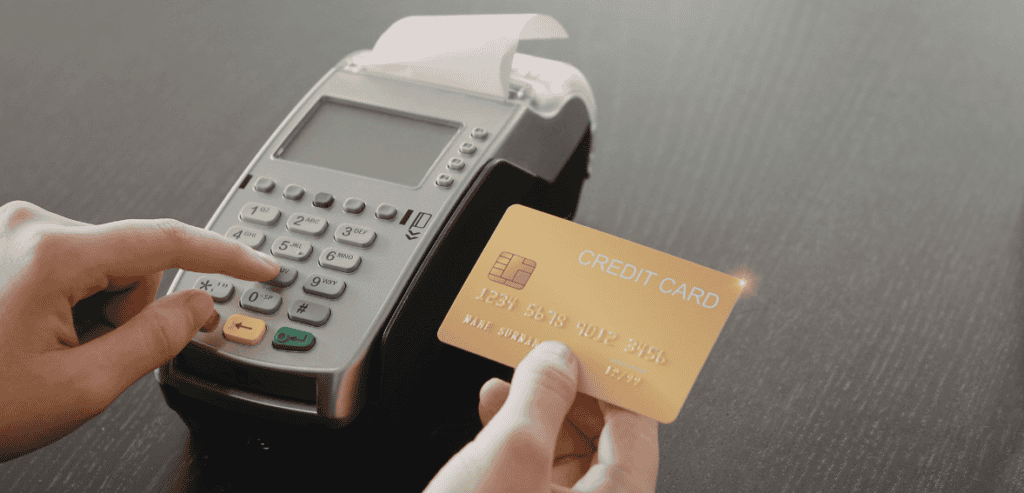
Convenience also extends to payment methods. Modern mobile systems often support multiple payment options, including contactless payments, digital wallets, mobile payment applications, and traditional card transactions. Providing customers with choice enhances satisfaction and improves the overall shopping experience.
As convenience increasingly influences purchasing decisions, retailers must evaluate how technology can help remove barriers and create smoother interactions. Mobile solutions offer practical tools for meeting these evolving demands.
Data and Insights in Mobile Retail Environments
Retail success depends on understanding customer behaviour and making informed business decisions. Modern mobile retail technologies generate valuable data that can support strategic planning and operational improvements.
Every transaction processed through a mobile system contributes to a growing database of customer interactions, purchasing patterns, and sales trends. Retailers can use this information to identify high-performing products, understand peak shopping periods, and evaluate employee performance.
Access to real-time information enables faster responses to changing market conditions. Businesses can adjust inventory levels, modify promotional strategies, and allocate resources more effectively based on current data.
Retail mobility solutions also contribute to enhanced customer insights. By integrating customer relationship management features, businesses can better understand purchasing preferences and develop more targeted engagement strategies. Data-driven decision-making has become an important component of modern retail success.
Security and Reliability in Mobile Transactions
As mobile transaction volumes increase, security remains a top priority for retailers and consumers alike. Customers expect businesses to protect payment information and ensure safe transaction processing.
Modern mobile POS systems incorporate advanced security measures designed to safeguard sensitive data. Encryption technologies, secure authentication protocols, and compliance with payment industry standards help reduce risks associated with digital transactions.
Reliability is equally important. Retailers depend on consistent system performance to maintain smooth operations and avoid disruptions. Advances in cloud computing, wireless connectivity, and device management have significantly improved the reliability of mobile transaction systems.
The continued development of secure and dependable mobile platforms is helping build confidence among businesses and consumers. Trust remains a critical factor in technology adoption, particularly when financial transactions are involved.
The Impact on Retail Employees
Mobile technology is also transforming the role of retail employees. Traditional models often separated customer service activities from transaction processing. Sales associates provided assistance, while cashiers handled purchases at dedicated checkout stations.
With mobile technology, these responsibilities increasingly overlap. Employees can guide customers through the entire purchasing journey, from product selection to payment completion. This creates more meaningful interactions and encourages stronger customer relationships.
A handheld POS device empowers employees with access to information and tools that support better service. Staff can answer questions more confidently, resolve issues quickly, and provide personalized recommendations based on available data.
This shift also contributes to employee satisfaction. Greater mobility and access to information help staff perform their roles more effectively, reducing frustration and increasing confidence in customer interactions.
The Future of Flexible Retail Selling
The future of retail is likely to be defined by flexibility, personalization, and convenience. As technology continues to evolve, mobile solutions will play an increasingly important role in shaping customer experiences and business operations.
Emerging innovations such as AI, predictive analytics, advanced inventory management, and connected commerce platforms will further enhance mobile retail capabilities. Retailers will gain deeper insights into customer behaviour while delivering more responsive and personalized service.
The expansion of mobile checkout technology will likely continue as businesses seek ways to improve efficiency and reduce friction throughout the customer journey. Fixed checkout counters may remain part of the retail environment, but their dominance is expected to diminish as mobile alternatives become more widespread.
Retailers that embrace innovation and prioritize flexibility will be better positioned to adapt to changing consumer expectations. The ability to serve customers wherever and whenever they choose will become an increasingly valuable competitive advantage.
Conclusion
Retail is entering a new era where flexibility, convenience, and customer engagement are central to success. Traditional checkout models are giving way to more dynamic approaches that allow businesses to meet customers where they are. Mobile technologies are at the heart of this transformation.
A mobile POS system enables retailers to process transactions efficiently, improve service quality, and create more personalized shopping experiences. Through the use of a handheld POS device, businesses can empower employees, streamline operations, and enhance customer interactions. Mobile checkout technology supports faster transactions and greater convenience, while retail mobility solutions help organizations adapt to changing market demands. Portable payment systems further expand opportunities by enabling sales beyond traditional retail environments.
As consumer expectations continue to evolve, flexible selling strategies will become increasingly important. Retailers that invest in mobility and innovation today will be better equipped to thrive in tomorrow’s competitive marketplace. The future of retail is not tied to a checkout counter. It is mobile, connected, and designed around the needs of the customer.