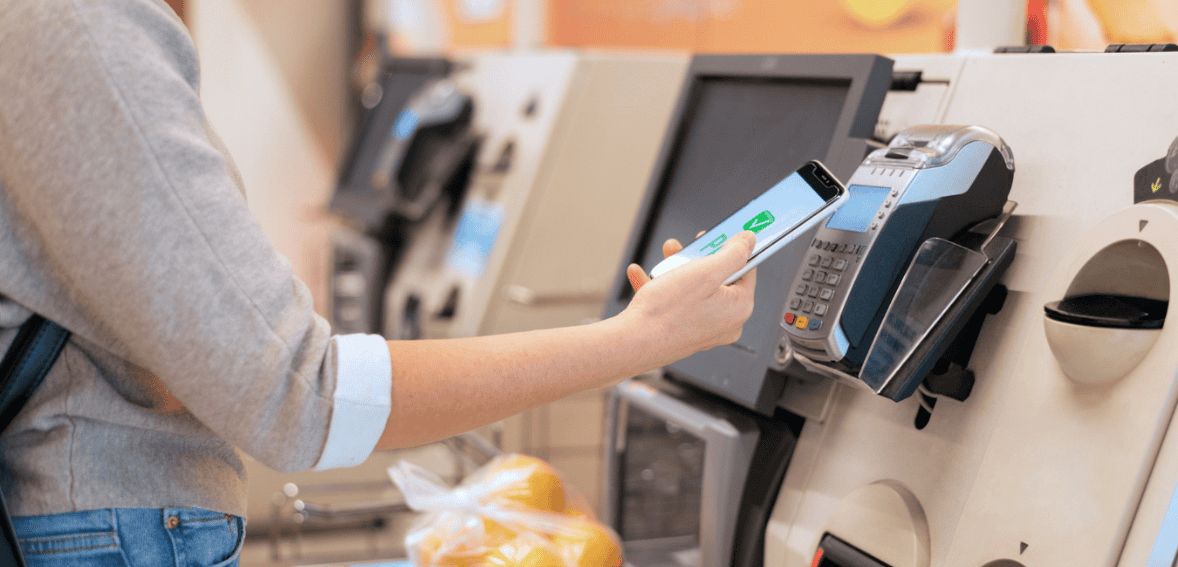
The retail industry has undergone tremendous changes over the last two decades. Shoppers now expect the shopping process to be quick and hassle-free, involving reduced queue times and having various payment options to choose from on each visit to a store. With consumer demands constantly changing, retailers are implementing technology to increase efficiency and provide positive experience at the same time. The most evident trend is the widespread adoption of self-checkout stations in supermarkets, convenience stores, pharmacies, department stores, and many other kinds of retail establishments.
Self-checkout systems allow consumers to scan and bag goods and make payments independently without any help from a traditional cashier. Although the introduction of such technology provides many benefits, it also poses some challenges that have to be managed by retailers properly. The successful deployment of this technology implies careful planning, staff training, customer education, and regular system maintenance. It is important to understand the capabilities and limitations of self-checkout systems as well as innovations in the sphere of retail automation technology in general in order to make smart investments in modern business.
The Evolution of Retail Checkout
For many years, the purchase process was standard for consumers. The consumer picked up the items, queued up and paid using the help of the cashier. Despite the fact that the system still works well in most cases, growing customer demands for quicker services have made the retailers try out new forms of checkout.
The earlier forms of self-checkout systems were rather elementary, featuring minimal functions and needed much management from the staff members. With time and better technology, the process became quicker and more efficient for the customers.
Nowadays, the systems of self-checkout are widespread in most retail branches, giving the business owners some extra opportunities and helping the clients receive faster service when it is really necessary.
Why Retailers Are Investing in Self-Checkout
Modern retailers face growing pressure to improve operational efficiency while managing rising costs and changing customer expectations. Self-checkout technology offers one potential solution by increasing transaction capacity without requiring additional traditional checkout lanes.
Customers often appreciate having greater control over their shopping experience. Those purchasing only a few items may complete transactions more quickly using self-service terminals, reducing overall waiting times throughout the store.
Investment in retail automation technology also reflects broader industry trends towards digital transformation. Retailers increasingly seek technologies that improve customer convenience while providing operational insights and supporting long-term business growth.
Understanding Self-Checkout Systems
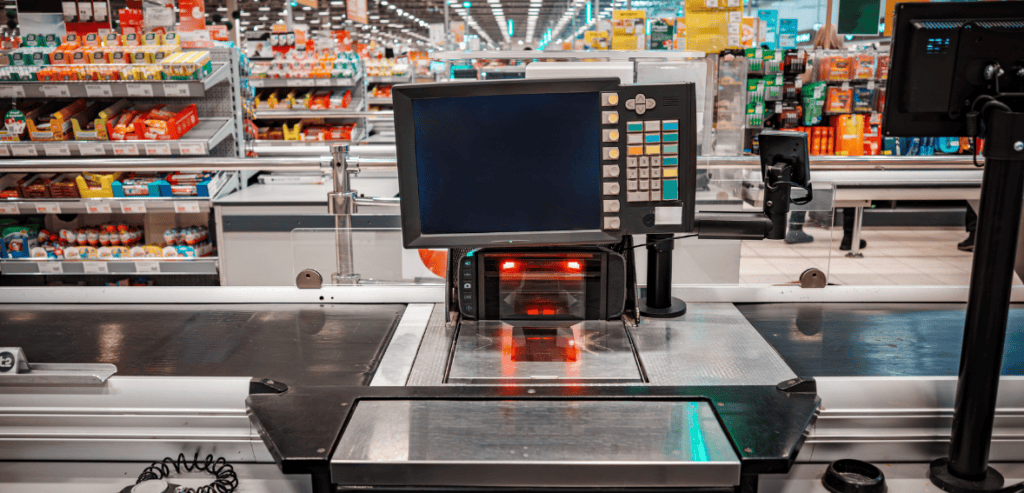
Self-checkouts enable users to process their transaction by themselves via touchscreen displays, barcode readers, weigh scales, cash dispensers, and receipt printers. Modern self-checkouts usually include audio and visual prompts for each step of the purchasing procedure.
Most modern terminals can use different types of payment instruments, such as debit or credit cards, contactless payments, mobile wallets, or gift cards. Some terminals can be integrated into loyalty programs, promotions, and e-receipts. While users can process most of the transactions on their own, there is always an option for assistance from staff in case of restricted age products, technical difficulties, price checks, or scanning errors.
Benefits of Faster Checkout
Reducing waiting times is another benefit that is immediately evident when using self-checkout technology. During rush hours, extra facilities for processing clients can be used by retail shops without involving all the purchases in cash registers operated by regular cashiers.
People who buy fewer products usually prefer doing their own transactions than queuing after bigger baskets of shopping. Properly organized zones for self-checkouts provide smooth client flow especially during lunch times, weekends, holidays, and other peaks of sales activity.
Greater Customer Convenience
Modern consumers increasingly value convenience alongside product quality and competitive pricing. Self-checkout allows shoppers to complete purchases at their own pace while maintaining greater control over the transaction process.
Some customers appreciate the privacy of scanning and packing their own purchases, while others enjoy avoiding unnecessary waiting during busy periods. The option to choose between traditional cashier service and self-checkout accommodates different shopping preferences.
By expanding payment choices, retail payment innovation supports more personalised customer experiences that reflect varying expectations across different demographic groups.
Improving Operational Flexibility
Self-checkout systems allow the retailer to have more flexibility in dealing with any changes in customer demand. In cases where there are low customer flows, companies might have fewer manned counters but still be able to provide the checkout service through self-checkout stations.
In case of high volumes, employees can serve several clients at once, compared to serving only one client at a time. This enables them to attend to other tasks such as assisting clients, stocking and merchandising goods.
Supporting Retail Staff
Contrary to popular belief, self-checkout systems do not always reduce the necessity for hiring employees. Instead, self-checkout systems transform the role that employees play in a shop.
For example, employees are increasingly helping customers operate self-service machines, solving technical problems, verifying any restricted items, answering customers’ questions, and taking care of machines instead of just scanning goods all the time.
This way, companies have an opportunity to assign their employees more valuable tasks while still operating checkouts effectively thanks to retail automation systems.
Integration with Modern Payment Methods
Payment methods are changing at an accelerating pace. The use of contactless cards, digital wallets, mobile payment systems, and loyalty applications is becoming commonplace.
Self-checkouts today can accommodate all these different payment methods, combining them with discount offers, digital coupons, membership schemes, and even electronic receipts in one process. This makes shopping more convenient for consumers and streamlines transactions.
As new payment technologies emerge, self-checkout systems give retailers flexible platforms that can support innovative payment methods.
Challenges with Customer Adoption
While some consumers welcome the process of self-checkout, there is a significant number of people who still find it challenging to use the new technology.
It is essential for retailers not to assume that all consumers would want to use self-service technology. It is important to have various alternatives of checkouts in order to satisfy different needs of consumers. Thus, the success of self-service checkout implementation relies on providing choice.
Technical Reliability Matters
Technology inevitably experiences occasional problems, and checkout systems are no exception. Barcode recognition issues, weighing scale errors, payment communication failures, software glitches, and receipt printer malfunctions can interrupt transactions.
Reliable technical support and regular maintenance minimise these disruptions while maintaining customer confidence. Employees should receive appropriate training to resolve common issues quickly before queues begin developing.
Dependable automated checkout solutions require ongoing monitoring rather than simply installing equipment and expecting flawless operation indefinitely.
Preventing Theft and Loss
One frequently discussed concern surrounding self-checkout technology involves inventory shrinkage resulting from intentional theft or accidental scanning errors. Customers may forget to scan products, incorrectly identify produce, or intentionally bypass payment.
Retailers address these challenges through security cameras, weight verification systems, AI, staff supervision, receipt checking, and transaction monitoring. The goal is balancing loss prevention with positive customer experiences.
Advances in retail automation technology continue improving security while reducing unnecessary interruptions for legitimate customers.
Staff Training Remains Essential
Technology alone cannot guarantee successful implementation. Employees require comprehensive training to assist customers confidently, resolve technical issues, manage security concerns, and maintain equipment effectively.
Staff should understand how terminals operate, recognise common error messages, perform routine maintenance, and communicate patiently with customers unfamiliar with self-checkout technology.
Proper training also reinforces that self-checkout systems support rather than replace customer service. Human assistance remains readily available whenever customers require help.
Balancing Automation with Human Interaction
Retail has always involved more than simply processing transactions. Friendly conversations, product recommendations, problem-solving, and personalised assistance all contribute to customer satisfaction.
Some shoppers enjoy interacting with employees and may feel disappointed if automation reduces these opportunities. Retailers should therefore ensure staff remain visible and approachable throughout self-checkout areas.
Successful retail payment innovation enhances convenience without eliminating valuable human interactions that strengthen long-term customer relationships.
Accessibility and Inclusive Design
Retail technology should remain accessible to as many customers as possible. Clear instructions, adjustable screen heights, multiple language options, audio guidance, and simple touchscreen interfaces help accommodate varying customer needs.
Retailers should also consider customers with disabilities, visual impairments, mobility limitations, or limited technology experience when selecting self-checkout equipment.
Well-designed self-service checkout systems improve accessibility by providing flexible options while ensuring assistance remains readily available whenever required.
Data and Business Insights
Modern checkout technology generates valuable operational information beyond simple transaction processing. Retailers can analyse customer flow, transaction duration, payment preferences, peak shopping periods, equipment utilisation, and system performance.
These insights support staffing decisions, store layout improvements, technology upgrades, and operational planning. Data-driven management helps retailers continually refine customer experiences while improving efficiency.
Many automated checkout solutions now include sophisticated reporting tools that assist management in evaluating both operational performance and customer behaviour.
Future Developments in Retail Automation
Retail technology continues evolving rapidly. AI, computer vision, sensor technology, mobile payment integration, and cashierless stores represent ongoing developments reshaping checkout experiences.
Some retailers are experimenting with systems that automatically recognise products as customers leave stores without requiring traditional scanning at all. Others continue improving existing self-checkout interfaces through enhanced usability and faster payment processing.
Future retail automation technology will likely combine greater convenience with improved accuracy, stronger security, and increasingly personalised shopping experiences.
Choosing the Right Checkout Strategy
Every retailer operates differently, making careful planning essential before investing in self-checkout technology. Store size, customer demographics, product range, transaction volume, available staff, and operational objectives all influence the most appropriate solution.
Smaller convenience stores may require only one or two terminals, while large supermarkets often combine multiple self-checkout units with traditional cashier-operated tills. Retailers should evaluate customer expectations alongside operational requirements rather than following industry trends alone.
Selecting suitable self-checkout systems involves balancing customer convenience, financial investment, operational efficiency, and long-term business strategy.
Measuring Success Beyond Cost Savings
Although labour efficiency often motivates automation investments, successful self-checkout implementation should be evaluated using broader performance indicators. Customer satisfaction, queue length, transaction speed, equipment reliability, sales performance, shrinkage rates, and employee productivity all contribute valuable insights.
Retailers should regularly review performance after implementation, making adjustments where necessary to improve customer experiences and operational outcomes. Continuous evaluation ensures technology continues delivering value as business needs evolve.
Understanding these wider benefits helps businesses appreciate how retail payment innovation contributes to overall retail performance rather than focusing solely on immediate operational costs.
Conclusion
Self-checkout technology has become an increasingly important part of modern retail by offering customers greater convenience while helping businesses improve operational flexibility. When implemented thoughtfully, these systems reduce waiting times, support multiple payment methods, enhance customer choice, and enable staff to focus on broader service responsibilities rather than routine transaction processing alone.
However, successful implementation requires more than simply installing equipment. Reliable self-checkout systems, effective retail automation technology, carefully designed self-service checkout experiences, ongoing retail payment innovation, and dependable automated checkout solutions must all work together alongside trained employees and responsive customer support. By balancing technology with human service, retailers can create checkout experiences that meet changing customer expectations while supporting sustainable operational growth in an increasingly digital retail environment.